How To Make Croc Shoe Charms? Explained Simply
Make your Crocs uniquely yours with DIY Croc charms. Crafting your own charms is a straightforward process that requires minimal supplies, a glue gun, and some design creativity. Start with a theme, create a simple base, and finish with a durable seal. With practice, you can complete a batch in under an hour.
Croc charms are small, clip-on decorations that fit into the holes or strap of Crocs. They allow you to change styles quickly, customizing them to match outfits, moods, or events. You don’t need fancy tools – just gather a few materials, have a steady hand, and follow a clear design plan.
Choosing the right materials is essential. A reliable base material that cures properly and a strong sealant to protect the charm’s finish are key. With proper preparation, you can create a mini gallery of charms for every season.
Key Takeaways
- Materials matter. Gather six essential supplies and a hot glue gun; you can finish a batch in under an hour.
- Safety first. Use non-toxic clay and a low-temp glue gun; supervise kids and avoid skin contact with hot glue.
- Design variety. Plan 2-4 themes per batch to mix and match with different Crocs.
- Finishing matters. Apply a clear sealant to protect colors and provide water resistance.
- Attachment check. Test clip strength before wearing to prevent losing charms.
What Croc Charms Are and How They Work
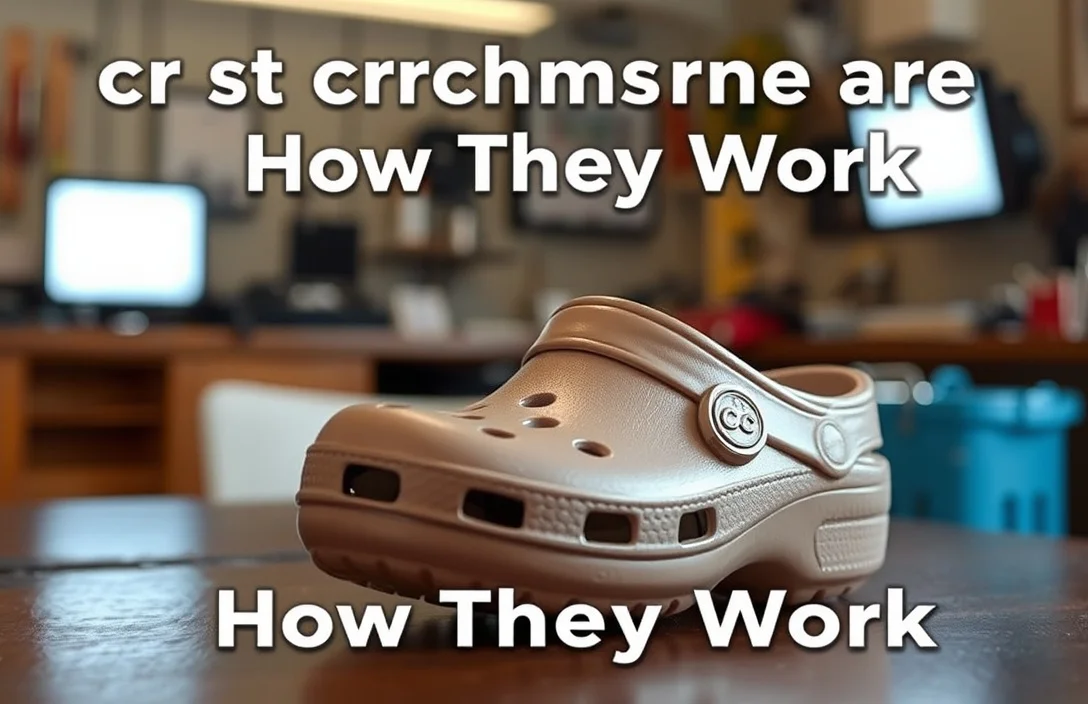
Croc charms attach to Crocs by snapping into the holes or onto the heel strap, acting like tiny jewelry that adds personality without sacrificing comfort. The best charms stay secure during activities yet are easy to remove when you want a change. The design typically consists of a small, sculpted piece plus a clip or backing that grips the Croc material without causing scratches.
Two main approaches dominate DIY Croc charms. One method uses a base that fits into a Croc hole, with a springy clip that holds it in place. The other employs a backing plate that sits behind the hole, allowing a small front piece to be clipped or pushed into position. Polymer clay and resin are popular choices for their strength, while air-dry clay offers a quicker alternative without the need for baking.
For durability, a protective layer around the charm is essential. A clear top coat or resin layer guards against moisture and daily wear. This requires a bit of extra drying time but prevents surface chips. The right combination of base, glue, and sealant ensures your charms can withstand regular use.
Essential Materials for DIY Croc Charms
Achieving the best results requires pairing a solid base with a dependable attachment method. Polymer clay is ideal for sculpted shapes, while air-dry clay speeds up production. Select a backing or clip that won’t scratch Crocs and can resist moisture. A durable sealant is also necessary to lock in color and protect against water.
Core materials and their purposes
| Item | Purpose | Notes |
|---|---|---|
| Polymer clay or air-dry clay | Base charm material | Condition before shaping; bake or air-dry per instructions |
| Jump rings, clips, or small backing plates | Attachment mechanism | Choose lightweight parts; ensure smooth edges |
| Acrylic paints or color markers | Color and detail | Use non-toxic options if kids are involved |
| Fine sculpting tools and a craft knife | Shaping and details | Keep blades sharp; work on a smooth surface |
| Epoxy or strong craft glue | Adhesive for backing pieces | Use sparingly; avoid visible oozing |
| Clear sealant or varnish | Protective finish | Water-based sealants are easier to clean up |
| Sandpaper or fine emery board | Smoothing edges | Lightly smooth edges after curing |
| Optional texture molds or silicone molds | Patterning and detail | Saves time on repeated designs |
| Safety gear (gloves, eye protection) | Personal protection | Essential when using sharp tools or heat |
Polymer clay requires baking to cure, while air-dry clays dry over time without heat. If you’re new to clays, practice with a couple of simple shapes first. Use lightweight clips or backing plates to reduce stress on Crocs’ holes, prolonging charm life. Always test a finished charm for clip strength before wearing.
Design Concepts for Croc Charms
Start your design process with intent. Choose a theme, color palette, and scale that fit the Croc holes and strap without overcrowding. Simple, bold shapes read better from a distance and endure wear and tear. For added expressiveness, combine two or three related motifs into a single charm or create a coordinated batch.
Successful designs leverage a unifying motif. A “summer sea” batch might include a starfish, a shell, and a wave in complementary colors. A “pet pals” set can mix silhouettes of favorite animals with initials. Sketch rough shapes first, then simplify for the best silhouette. Crisp edges and clean lines translate well to clay and resin, while overly complex textures can chip or peel.
Consider durability in your designs. Thin tails, delicate antennae, or tiny connectors may look appealing but are often fragile. For pieces with projections, a short anchor point or broader base can help reduce leverage when clipped to Crocs. Making practical decisions now saves time on repairs later.
Step by Step Charms Making
Plan your batch before starting. Decide how many charms you want, which themes to include, and what shapes to sculpt. Gather all materials to minimize interruptions during the process. Work in a well-lit area with a smooth, nonporous workspace.
1) Plan designs on paper. Sketch quick shapes and note color schemes to guide your process.
2) Condition the clay. Knead polymer or air-dry clay until soft and pliable; this prevents cracking during shaping.
3) Shape the base charm. Roll, flatten, and sculpt your desired form; maintain even thickness for consistent baking or drying.
4) Add a clip or backing component. Position a small clip, ring, or backing plate to align with the finished piece; ensure a flush fit.
5) Bake or cure. Bake polymer clay according to manufacturer guidance, or let air-dry clay dry completely, usually 24 hours or longer.
6) Sand and refine. Lightly sand rough edges or seams; wipe away dust before painting.
7) Add color and details. Use acrylics or markers for painting; add small details with fine tools.
8) Seal. Apply a clear sealant to protect color, add water resistance, and shield the surface from wear.
9) Attach final hardware. Glue the clip or backing piece with a small bead of epoxy or craft glue; wipe away excess promptly.
10) Test fit. Ensure the charm sits cleanly in a Croc hole or on the strap; adjust if necessary.
Keep your initial batch small. Once you’re comfortable with texture, cure times, and attachment aesthetics, you can scale up. If a design doesn’t hold up well after sealing, revise the base shape for better durability. Start with two or three designs and expand as you gain confidence.
Drying, Curing, and Finishing Charms
Curing time varies with materials. Polymer clay typically bakes at a low temperature for a short duration, while air-dry clay requires longer drying time in a dust-free environment. Sanding should occur after curing or drying and before sealing to ensure a smooth, grit-free surface. Finishing with a sealant protects color from moisture and wear, which is crucial for items worn daily.
For polymer clay, follow the baking instructions on the package. Commonly, bake at 265-275F for about 15-30 minutes per 1/4 inch thickness. Let pieces cool completely before handling. For air-dry clay, place charms on a clean surface and allow them to dry in a low-humidity area, turning them periodically to prevent warping. After drying or baking, light sanding smooths edges for a crisp appearance.
Finishing is important. A clear water-based sealant provides a protective layer without yellowing or strong odors. Apply thin coats and let each coat dry fully before the next. A couple of well-applied coats yield a durable surface that resists moisture and scuffs. For added gloss, a thin resin top coat can be used, but ensure good ventilation and follow safety guidelines.
Painting, Gluing, and Sealing Charms
Painting adds personality to each charm. Use fine brushes or paint markers for precision. Allow paint to dry completely before sealing. If layering colors, let each layer cure to prevent bleeding. For metallic or glitter accents, apply lightly, then seal.
Gluing requires precision. A tiny bead of epoxy or strong craft glue secures the backing piece without excess oozing. Quickly wipe away any surplus glue with a dry brush or cotton swab. When sealing, allow sufficient cure time; rushing can trap solvents and affect color depth. Always ventilate and adhere to product guidelines for safety and odor.
Sealing completes the charm-making process. A clear sealant protects colors from UV light, moisture, and wear. Apply evenly, avoiding pooling at edges. If sealing creates imperfections, lightly buff after curing to achieve a smooth finish. Test sealing on a spare piece to confirm compatibility with your materials before applying it to the entire batch.
Attaching Charms to Crocs Safely
Placement is crucial. Clip charms into the Croc holes or onto the strap without forcing them into tight spaces. Start with a small batch to verify clip grip and ensure the charm sits flush. Lightweight designs reduce stress on Crocs’ holes, helping prevent damage over time.
Safety and fit are essential. Avoid oversized charms; large pieces can catch on clothing or bike wheels. Use clips designed for footwear, not jewelry findings. Test each charm’s clip strength by gently tugging before wearing. If it loosens, reinforce the attachment with a small bead of adhesive or switch to a sturdier backing. Regularly clean your Crocs to prevent residue build-up that could hinder clip performance.
Next Actions
- Build a small batch of three designs to test your workflow, curing times, and attachment strength.
- Document your process with photos and notes to refine techniques for future batches.
- Experiment with different backing pieces to find the most secure, adjustable fit for your Crocs.
FAQ
How much does it cost to start making Croc charms?
Initial materials can be affordable with a simple starter kit. You’ll typically need a small set of polymer or air-dry clay, basic tools, paints, a sealant, and a few clips; plan for a modest upfront investment to cover the core items. Expect to spend a bit more if you add resin or specialty findings.
How long does it take to make a batch of charms?
A batch of six charms can be completed in under an hour with simple designs and sequential baking or drying. Drying or curing times vary by material, so plan for some extra time if you’re using air-dry clay.
What supplies are safest for kids?
Use non-toxic polymer clays, water-based paints, and kid-safe sealants. Always supervise hot glue usage and keep sharp tools out of reach.
What’s the best glue for Crocs charms?
A small amount of epoxy or strong craft glue works well for backing pieces; hot glue with a low-temp gun can be safer for beginners. Test adhesion on a spare charm first.
How can I avoid losing charms while wearing Crocs?
Use lightweight designs and ensure clips are fully seated in the holes or along the strap. Test each piece under movement to confirm the clip’s grip before wearing in public.
Start with a three-design batch, test your clips, and seal thoroughly. For quick, visible results, polymer clay with a water-based sealant offers a reliable blend of durability and ease. Build on that foundation and expand themes and finishes as you gain experience.

- Bee Charms For Shoes: Choose By Fit, Style, And Attachment - July 7, 2026
- Croc Shoe Charms Disney: Pick The Right Pack For Your Clogs - July 7, 2026
- Captain America Shoe Lace Charms: Pick The Right Style - July 7, 2026