How Do Shoe Charms Work? Explained Simply
Shoe charms attach with a simple mechanical grip, not glue or screws. A back peg, snap, or clip slides into holes or loops on the shoe, letting you swap designs in seconds. When seated properly, the charm stays put through normal walking and play; yank hard or pull at the edge, and removal becomes necessary. The result is a playful, reversible way to customize footwear without permanent changes.
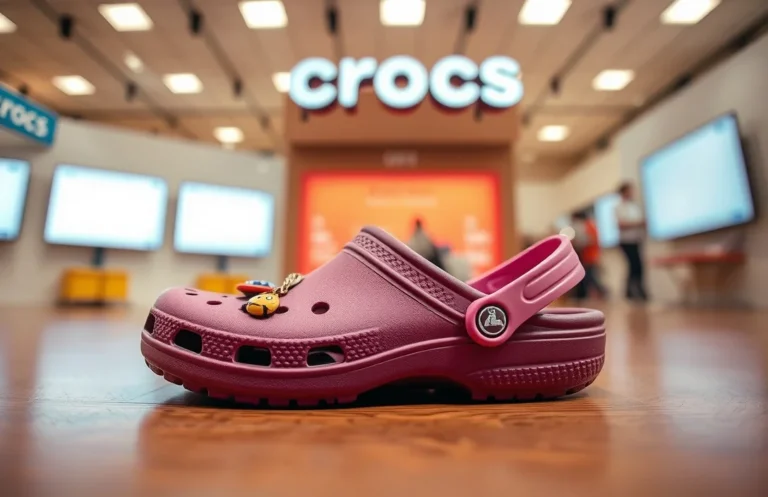
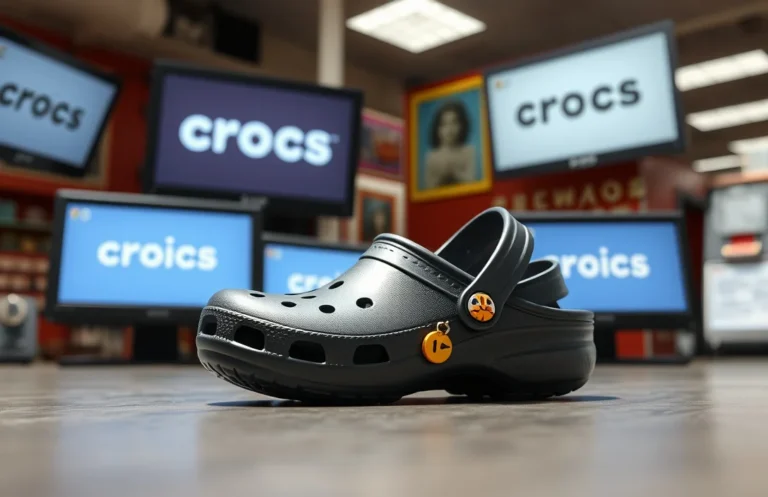
Most charm systems hinge on three elements: a matching hole or fastener on the shoe, a charm with a compatible back or clip, and a secure seating method. Crocs and similar clogs rely on a bulleted back peg that inserts into round holes. Sneakers and sandals use eyelets, strap loops, or small grommets that accept a snap-in piece or a tiny locking tab. The combination creates a friction-based connection that resists everyday motion but remains removable with deliberate effort.
For practical wear, understand two realities. First, not all holes are created equal; spacing and size differences matter for fit. Second, the material of the charm influences how snugly it stays in place. PVC charms tend to feel firm and lock in with crisp edges, while silicone charms offer a softer, more forgiving grip. In both cases, the charm’s attachment is designed to detach with a focused pull, not wear away the shoe itself.
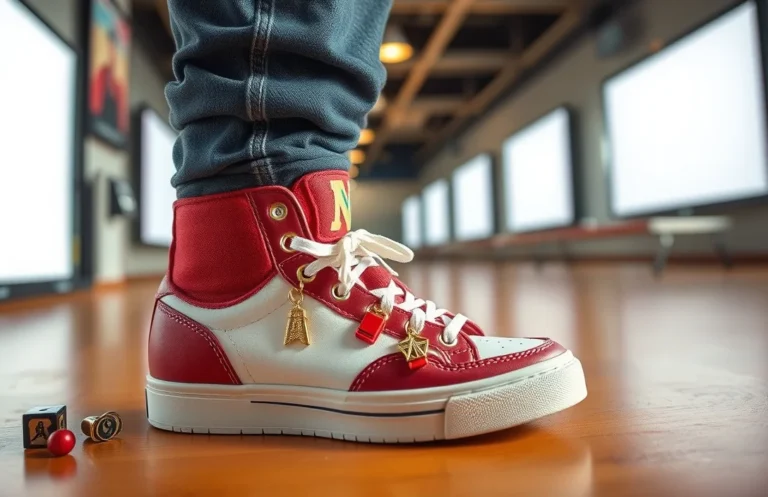
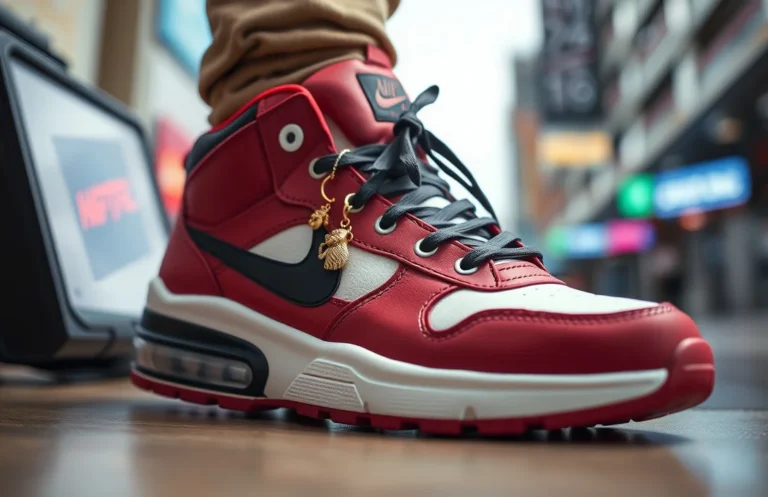
For example, a charm designed for a Crocs style shoe uses a back peg to anchor through the hole, while a charm for laced sneakers often depends on a small latch that clips around a lace hole. In practice, you get fast customization: switch to a different character for the season, then switch back when you tire of the look. The process is reversible, repeatable, and largely beginner-friendly.
The Humble Hole Behind Shoe Charms
Holes are not decorative accessories; they are the actual anchor point for shoe charms. Their size, shape, and distribution determine what charms will work and how securely they’ll sit. Crocs-style footwear uses evenly spaced circular holes designed to accept back pegs. Other shoes rely on standard eyelets or small loops that accept snaps or micro-clips. The hole is the mortar that holds the entire customization together.
Hole design is the quiet enabler of variety. A single hole pattern can support dozens of charm styles, while mismatched spacing can render a charm loose or impossible to attach. Clean, unblocked holes ensure a deeper seating and reduce rocking that can loosen a charm over time. For families, it’s common to see kids swap charms during the school week and keep favorites for weekends, which works best when the holes are in good condition and free of gunk.
In practice, you’ll notice two things. First, not every charm fits every shoe. Some charms are purpose-built for Crocs holes; others are meant for standard laces, strap locks, or tiny hoops on flip-flops. Second, the hole system simplifies maintenance. Wipe away dirt, avoid sticky residues, and your charms will resist snagging on socks or pants. The hole is the quiet workhorse behind the look.
For shoes with a robust hole system, a charm slides in with a clean push and a final snap or click. On lighter materials, such as silicone, you still get a secure fit, but you’ll feel the seat a touch more flexible as you move. The design philosophy is the same: keep the charm anchored through typical daily wear while preserving the shoe’s original function and comfort.
Are Shoe Charms Bad for Your Shoes
Shoe charms aren’t inherently harmful, but they do introduce an interaction point with the shoe’s surface. If misused, a charm can abrade finishes or rub against leather, especially in high-friction zones. The risk rises when a charm is oversized for the hole pattern or when a back peg presses directly on delicate materials. The good news: with sensible choices, the risks are minimal.
Durability matters. PVC charms are known for sharp, durable detail and stiff seating, so they tend to stay in place and resist bending. Silicone charms, while softer, can flex and ride on the surface of the shoe more readily, which is kinder to fragile materials but may require more frequent adjustment if the fit isn’t snug. Resin-based DIY charms have variable longevity depending on cure quality and resin hardness.
Removal and maintenance are straightforward. If a charm feels loose, inspect the hole for wear or the backer for distortion. Clean the holes occasionally to prevent grit from compromising the seating. Never force a charm that won’t seat cleanly; forcing can scratch surfaces or enlarge the hole. When you remove a charm, do it with a steady, downward pull to minimize stress on the shoe’s material around the holes.
The practical verdict: shoe charms are a low-risk way to personalize, so long as you pair the right charm with the right hole type, and you respect the shoe’s materials. If you plan aggressive sports or heavy outdoor use, consider an alternative that doesn’t rely on hole-based attachments. For everyday wear, you’ll get years of use from charms that are properly matched and well cared for.
Can Charms Be Used on Clog-Style Shoes
Clog-style footwear, especially Crocs and similar designs, is prime real estate for charms. The holes are designed for a back-peg attachment, so a wide range of charms will click into place quickly. The compatibility matters most with hole spacing and the peg’s diameter. If a charm’s back peg doesn’t fit the hole, it won’t seat securely, and you’ll experience wobble or slippage as you walk.
A practical approach is to check the charm’s back mechanism before buying. Snap-in or peg-based designs are generally compatible with clog holes, and many charms are labeled specifically for Crocs or similar footwear. If a charm is too large for the hole pattern, don’t force it. Instead, look for a smaller design or a different back style. You’ll preserve both the look and the shoe’s integrity.
Clog shoes also differ in how tightly they grip the foot, which matters for durability. If you use multiple charms on a single clog, distribute weight evenly so no single peg bears the brunt of movement. For kids, a quick swap between charm sets can be appealing, but supervise to avoid loose pieces that could detach during wear. In practice, clogs can carry a wide charm family – from cartoon icons to initials – without sacrificing comfort or performance.
A few caveats exist. Some charm backings are designed for flat surfaces and might not seat well in deeply curved or ribbed holes. In those cases, you’ll want a charm with a flexible backing or a different attachment style such as a small ring that slides into a toe box loop. Overall, clogs are one of the easiest shoe types to personalize with charms, provided you respect hole compatibility and the charm’s seating mechanism.
Types of Shoe Charms by Material and Design
Material choice drives feel, durability, and look. PVC charms are durable and crisp, ideal for bold graphics and longer wear. Silicone charms bend a little, feel soft against the skin, and are kinder to delicate fabrics. Resin or DIY charms bring high detail and custom shapes, but require curing time and careful handling. A final note: design variety runs from licensed character themes to initials and abstract shapes.
Table: PVC Charms versus Silicone Charms
| Feature | PVC Charms | Silicone Charms |
|---|---|---|
| Material Type | PVC (Polyvinyl Chloride) | Silicone Rubber |
| Durability | Very High | Moderate to High |
| Common Style Themes | Fashion, Cartoon, Characters | Cute, Trendy, Personalized |
| Texture | Firm, Embossed | Soft, Flexible |
| Popular Uses | Crocs, Sneakers, Backpacks | Bracelets, Toddler Shoes |
| Popular Characters/Icons | Mickey Mouse, Simpsons, Snoopy | Stars, Letters, Numbers, Hearts |
| Platform | Etsy, Zazzle, Redbubble, Amazon, CustomCrocs | Etsy, Zazzle, Redbubble, Amazon, CustomCrocs |
| Price Snapshot | Typical ranges: $2-$12/pc on Etsy; up to $20+/set on some platforms | Varies by platform; commonly found around $3-$10/pc on major platforms |
PVC charms cover the bulk of mass-market options. They hold fine lines well and resist creasing, which makes them ideal for character icons or crisp text. You’ll find the widest selection in this material across major marketplaces, with frequent sales and bundles that bring per-piece costs down to the low single digits. Durability under daily use is high, and the finish tends to stay bright even after repeated insertions.
Silicone charms skew toward softer aesthetics: pastel tones, rounded shapes, and cute motifs. They’re more forgiving if a charm is bumped or brushed against fabric, which reduces the risk of scuffs on sensitive shoe materials. The trade-off is slightly less edge detail and a touch more play in the seating, so you may need to re-seat them after vigorous activity. Availability is strong, but the most extensive catalogs show up in fashion-oriented shops rather than licensing-heavy retailers.
Resin and DIY charms open room for bespoke pieces, including custom initials or hand-poured shapes. They demand a cure window – typically six to twenty-four hours depending on resin or silicone composition – which slows down immediate gratification but rewards you with unique designs. Durability hinges on resin hardness, sealant quality, and how well you sand and coat edges to avoid sharp corners that could snag on fabrics.
Customization and DIY Culture of Shoe Charms
The DIY mindset dominates a lot of charm culture. People mold resin, cast shapes, or print designs to express personality and even professional interests. DIY charms let you sidestep licensing constraints, but they also raise durability questions. A resin charm might crack if dropped or flex unpredictably if the backer is weak. Silicone, on the other hand, can be easier to mold, cure, and reuse, but you’ll sometimes trade crisp detail for flexibility.
A practical DIY workflow starts with a mold or blank charm, a chosen back-attachment, and a clear plan for sealing or curing. Expect a curing window of 6-24 hours for resin or silicone precursors, then a final cure or sealant step to improve wear life. The advantage is total control over shape, color, and message, from fan art to personal initials. The risk lies in durability and fit: if a charm isn’t anchored securely, it will loosen over time and become a nuisance.
Brand-affiliate options sit alongside DIY traditions. People mix licensed designs with generic charms to balance cost and fidelity. The result is a marketplace where you can collect favorites from shows, games, or sports while keeping your shoe ecosystem intact. For parents, the blend of safe materials and quick swaps makes shoe charms a practical way to engage kids in choosing their footwear style.
In practice, the best approach is to start small: buy a few PVC or silicone charms in a couple of styles, then test them on one pair of shoes you wear daily. If you like the result, expand to a set that matches different outfits. DIY can be a satisfying project, but a cautious buyer gets the best long-term value by pairing off-the-shelf pieces with familiar shoes before investing in custom molds or specialized tools.
Practical verdict and next step
Shoe charms are a simple, reversible way to personalize footwear without altering the shoe. Start by checking your shoe’s holes or loops, then pick a charm type that matches the attachment method. If you’re new to this, buy a small batch of PVC charms from one platform to gauge fit and durability, then expand with silicone or DIY pieces as you gain confidence.
If you want a quick plan: pick one pair of everyday shoes with Crocs-style holes or eyelets, choose 2-3 charms in a single material, test the fit, then slowly broaden your collection. You’ll quickly see what works for your style and activity level, and you’ll have a clean, simple path to ongoing customization.
Frequently Asked Questions
How do I know which charm backer fits my shoe’s holes?
Charm backers and holes must match in size and shape. Check the shoe’s hole pattern (Crocs-style back pegs vs eyelets or loops) and the charm’s backer type (back peg, snap, or clip). If they align and seat cleanly, the charm will sit securely; spacing and hole size matter for fit.
Will a shoe charm stay in place during regular walking?
When seated properly, the charm creates a friction-based connection that resists everyday motion. A hard yank or edge pull can detach it, so deliberate removal is needed in such cases. Material differences (PVC vs silicone) affect how snugly it sits.
Are there risks to the shoe material from wearing charms?
Charms introduce an interaction point with the shoe surface and can abrade finishes or rub against leather if misused. The risk increases if a charm is oversized for the hole pattern or if the back peg presses on delicate materials. With sensible choices and proper seating, the risk remains minimal.
How can I switch charms quickly without damaging the shoe?
The process is fast and reversible: slide in the new charm and secure with a final snap or click. Keep holes clean and avoid forcing a charm that won’t seat cleanly. Remove by applying a steady downward pull to minimize stress on the shoe.
Can all shoes support charms, or are some patterns incompatible?
Not all holes are equal; Crocs-style holes use back pegs, while sneakers may use eyelets or loops for snaps or micro-clips. If a charm’s backer doesn’t fit the hole pattern, it won’t seat securely. Check compatibility before buying to ensure a good match for your shoe.

- Bee Charms For Shoes: Choose By Fit, Style, And Attachment - July 7, 2026
- Croc Shoe Charms Disney: Pick The Right Pack For Your Clogs - July 7, 2026
- Captain America Shoe Lace Charms: Pick The Right Style - July 7, 2026