How To Put On Shoe Charms? Step-by-step
Charms on shoes instantly personalize your kicks, and they stay secure when you attach them correctly. You can wear them on sneakers, boots, or slip-ons, but the method matters as much as the charm itself. If you’re asking how to put on shoe charms, this guide has you covered. You’ll learn effective techniques, helpful tips, and a reliable step-by-step attachment method.
To put on shoe charms, thread the charm onto the lace or through the first eyelet, then secure it with a simple knot or clip so the charm stays flat and cannot slide along the lace during wear. Use a stopper knot for extra assurance.
Key Takeaways
- Choose the right shoes. Sneakers and lace-ups work best; dress shoes with slick laces may fail to hold charms.
- Match charm size to shoe. Smaller charms fit most people; oversized charms risk snagging or sliding.
- Prefer simple attachments. Threading onto laces with a stopper knot reduces movement.
- Clip-ons offer reversibility. They are quick to use on many shoe types without altering the lace.
- Test before daily wear. Move, twist, and walk a bit to ensure charms stay in place.
Which Shoes Work With Charms
Shoes with laces or compatible eyelets are the easiest to charm. Sneakers, canvas sneakers, and most athletic lace-ups accept charms without special hardware, securing them with standard knots or simple clips. Boots with flat, wide laces can also accept charms if you thread them through the lace loops near the tongue and anchor with a knot. Slip-ons and shoes without traditional laces are trickier; use clip-ons or a dedicated elastic-lace setup if you want charms without modifying the shoe.
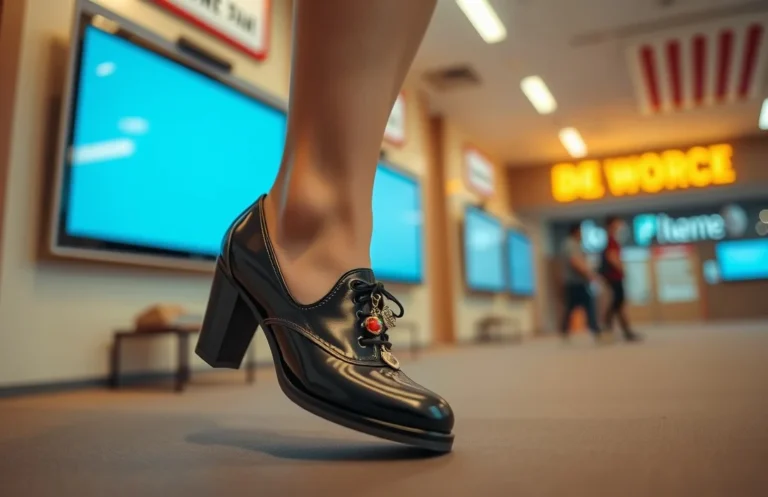
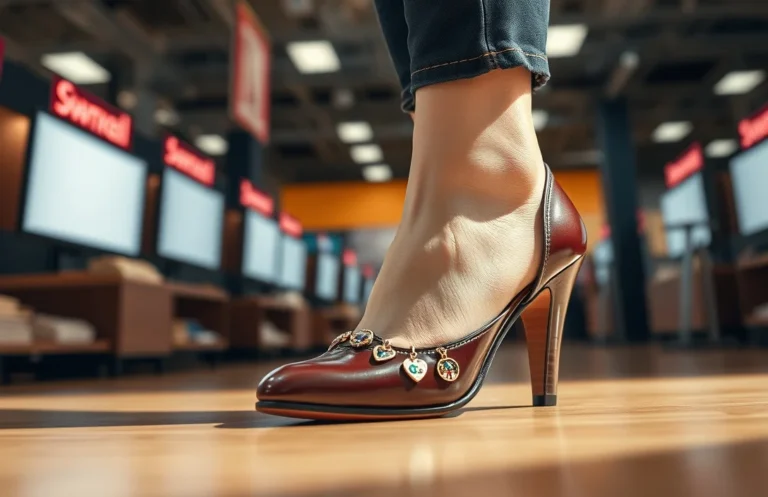
Avoid shiny leather dress shoes with slick laces or contoured uppers, as the smooth surface and tight weave make charms prone to rubbing or sliding. For dress shoes, clip-on charms or decorative clips that latch onto the lace edge work best, maintaining a clean look. The strongest results come from shoes with flat laces, open eyelets, and minimal sliding space near the tongue.
| Shoe Type | Best Attachment Method | Notable Limitation |
|---|---|---|
| Sneakers | Thread through lace loop or eyelet, knot secure | May bunch on very thin laces |
| Boots | Thread through outer lace loops, use stopper knot | Thick laces can complicate threading |
| Slip-ons | Clip-on charms or elastic laces with clips | Less secure for active wear |
| Dress shoes | Clip-on or detachable charms | Requires non-permanent attachments |
Choosing Charm Size and Material
Charm size matters for both appearance and function. Small to medium charms stay balanced on most shoes and keep lacing from feeling bulky. Larger charms can look bold but are more likely to catch on socks, rub along the edges, or loosen during activity. Choose sizes that sit within the width of the lace or eyelet, avoiding anything that can snag on pant cuffs or hosiery.
Material choice affects durability and finish. Metal charms with a protective coating resist tarnish and wear better in daily use but can add weight. Plastic or resin charms stay light and affordable; however, they can fade or crack if exposed to grit or excess moisture. For kids or sports use, choose lightweight materials and finishes that resist scuffing. When attaching multiple charms, opt for uniform weight to maintain balance across the shoe.
The best combination is a small to medium charm in a durable finish, paired with the right attachment method for your shoe type. For a more subtle look, select matte finishes and neutral tones. To achieve a bold style, choose high-contrast colors and reflective coatings that catch the eye without compromising comfort.
Tools and Materials for Attaching Charms
Gather a few basic items to attach charms securely. Start with the charm itself, the shoe laces or eyelets, and an attachment method that suits the shoe. A simple knot, a small jump ring, or a clip can satisfy different looks and levels of permanence. Scissors, a small pair of needle-nose pliers, and a smooth file or fingernail buffer for rough lace edges help ensure clean results.
Keep a small supply kit handy: extra charms, spare laces, and compatible clips. If lace ends fray, trim them cleanly to prevent snagging. For screw-on charms, a tiny screwdriver helps secure the attachment without damaging the lace. Finally, a fabric-safe glue or clear nail polish can be used sparingly to fix knots but only after testing that it won’t stiffen or discolor the lace.
The simplest setup uses flat-lace shoes with charms that either thread through the lace loop or sit behind a clip. If you prefer non-permanent options, choose clip-on charms or elastic-lace systems designed for easy swapping.
Step by Step Attaching Charms to Laces
Prepare the shoe by ensuring laces are clean and untangled, and choose a charm with a clear back to prevent misalignment. If you’re using a knot method, plan where the charm will lie on the lace so it doesn’t press against the foot or rub against socks.
Position the charm by sliding it onto the lace so it sits adjacent to the eyelet. If using a clip, open it fully and position it where you want the charm to rest, ensuring its decorative face is visible when worn.
Thread or attach by sliding the lace through a charm loop or the clip, ensuring the charm sits flat against the shoe. If your lace is thin, double it under the charm to create a hidden anchor. For knots, a simple square knot or stopper knot behind the charm helps lock it in place.
Tie the lace as you normally would, reinforcing with a second knot behind the charm if needed. Clip-based charms should be pressed shut until you hear a small click, confirming it’s locked.
Trim any excess lace near the knot with clean, straight cuts. If the lace ends feel rough, lightly sand them or burnish with a fingernail file to prevent fraying.
Test the result by wiggling the shoe gently, walking a few steps, and checking that the charm stays aligned and doesn’t slip along the lace. If it shifts, tighten the knot or adjust the clip’s grip.
Clip-On and Elastic Laces Alternatives
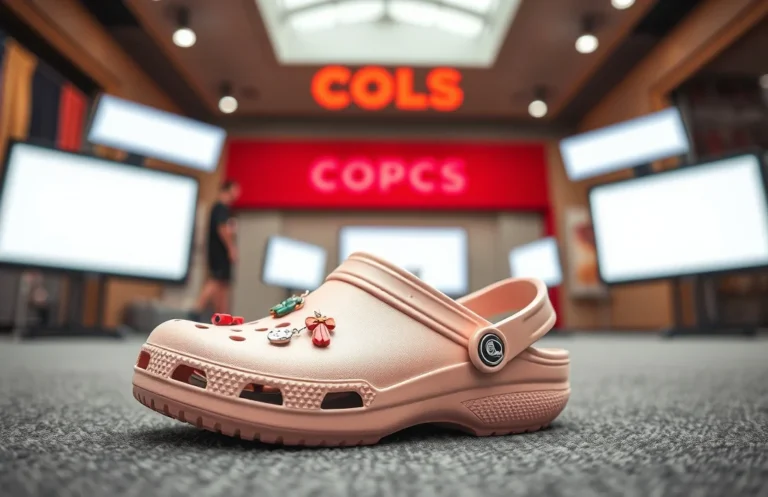
Clip-on charms offer a quick, non-permanent way to add personality. They latch onto the edge of a lace or the eyelet area and can be moved between shoes. Elastic laces with small clips keep charms in place without tying, making them great for kids or anyone who prefers slip-on convenience. Ensure the clips designed for elastic strands won’t slip when stretched.
For shoes you don’t want to modify, consider magnetic or snap-on charm options. These attach to metal eyelets or the edge of the tongue guard without altering the lace structure. Clip-based setups are forgiving for various shoe brands and sizes, but they may be bulkier and show more hardware than knot-based methods. Blend methods: use clips for daily wear and switch to knot-based attachments for formal or sports settings.
Preventing Charms From Slipping
Choose secure anchor points. Lace loops or eyelets near the tongue offer the best stability, reducing wobble as you move. Use a knot that sits snugly against the charm to minimize movement.
Double up when needed. A double knot behind the charm creates extra friction and helps prevent sliding. If you’re using clips, select models with locking mechanisms and test their grip with a quick tug before real wear.
Consider small guards. Tiny stopper beads or a mini rubber sleeve around the knot can act as a friction plug, keeping the knot tight and the charm in place. Ensure any guard doesn’t rub on the shoe’s fabric or affect your stride.
Cleaning and Longevity of Charms
Keep charms clean with a damp microfiber cloth after wear to remove dust and sweat. For metal charms, a soft polish occasionally prevents tarnish, but avoid harsh abrasives that could wear away plating. Plastic or resin charms benefit from gentle soap and water; dry thoroughly to prevent moisture buildup inside small hardware.
Store extras properly. When you aren’t wearing the shoes, keep charms in a small box or pouch to prevent bending or scratches. Rotate charms to distribute wear evenly across laces and eyelets. If a charm shows signs of cracking or the clip loosens, replace it to avoid snagging on socks or cuffs.
FAQ
How can I attach charms quickly without tying knots every day?
Use clip-on charms or elastic-lace setups with a locking clip; these options let you swap charms in seconds without retying.
What should I do if a charm keeps slipping along the lace?
Tighten the knot behind the charm, switch to a stopper knot, or add a small stopper bead; test with a quick walk to confirm stability.
Are clip-on charms safe for all shoe types?
Clip-ons work best on shoes with flat laces or eyelets near the tongue; avoid very thick laces or fragile uppers that might bend under pressure.
How do I remove charms without damaging laces?
Open or unclasp the charm, then slide it off the lace or eyelet; if you tied a knot, carefully undo the knot and remove the lace end.
What maintenance helps charms last longer?
Clean gently with mild soap and water, dry thoroughly, and avoid exposing metallic finishes to moisture or harsh cleaners; inspect attachments monthly for wear.

- Bee Charms For Shoes: Choose By Fit, Style, And Attachment - July 7, 2026
- Croc Shoe Charms Disney: Pick The Right Pack For Your Clogs - July 7, 2026
- Captain America Shoe Lace Charms: Pick The Right Style - July 7, 2026