
How To Wear Shoe Charms? Explained Simply
Want to know how to wear shoe charms? This practical guide covers practical tricks, odds and ends, and steps you can follow today. Start with a simple setup of 2-4 charms per shoe, choose threading or clips, and adjust for comfort and balance. You’ll learn what works for different shoes, how to attach them, and how to keep things looking sharp over time.
Shoe charms can be worn by threading onto laces or clipping to eyelets or lace tips. Start with 2-4 charms per shoe, ensure the charm weight stays light, and choose a method that matches your lacing style. Automatic multi-point clips hold securely; threading gives movement with the lace and can look more integrated. The goal is a balanced, comfortable look that stays put during wear.
Key Takeaways
- Start small. Begin with 2-4 charms per shoe to test balance and comfort.
- Choose a method. Threading works with most laces; clips suit tight or thick laces.
- Match your vibe. Pick themes that fit casual, sporty, or dressy outfits.
- Check fit. After tying, walk a few steps to verify no tugging or rubbing.
- Rotate regularly. Swap charms every 1-2 weeks to refresh looks and protect laces.
What Kinds of Shoe Charms Exist
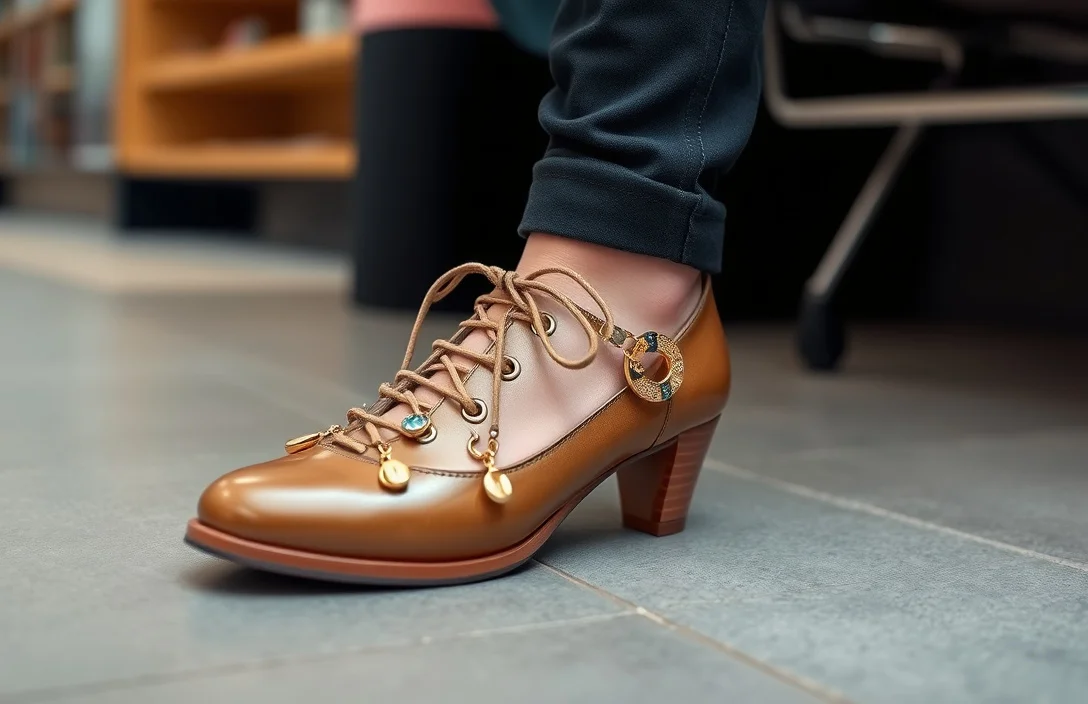
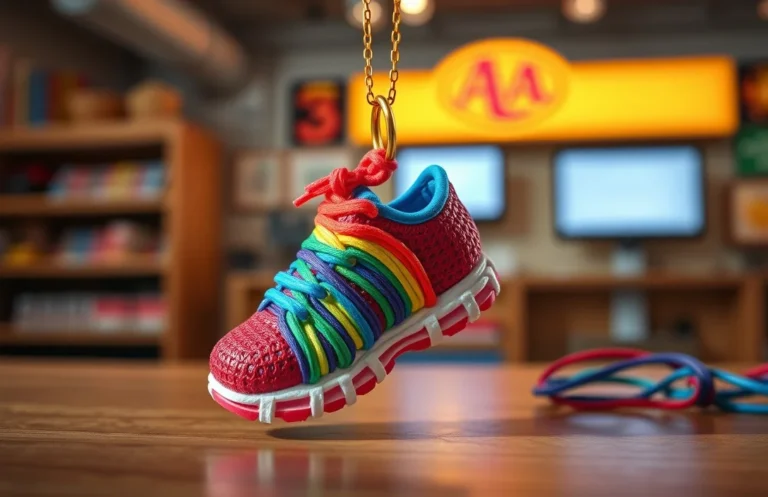
Charms come in two broad forms – thread-through and clip-on – and a handful of subtypes that suit different shoe setups. Thread-through charms slide onto the lace itself, so they move with the laces and stay aligned with your foot. Clip-ons latch to eyelets, lace tips, or fixed anchor points on the shoe, so they don’t tug with every step. Material choices range from durable plastics to enamel metals, with wood and silicone options offering lighter weights.
In practice, you’ll see a mix of shapes and purposes. Some charms are tiny icons like hearts or initials, others are letters that spell out a name, and others still are beads or mini figurines. The best pick depends on the shoe type, how often you want to swap them, and how visible you want the charms to be. If you want a subtle touch, go for small, neutral icons; for a playful look, larger and brighter pieces work well.
Thread-through charms are ideal when you want the charm to move with the lace and stay close to the shoe’s silhouette. Clip-on charms excel when you’ll swap outfits quickly or when laces are irregular in width or material. For kids’ shoes, consider colorful silicone beads that resist fraying and are easy to wipe clean. For adult wear, enamel charms with a low profile can elevate a look without looking juvenile.
Two common subtypes to recognize:
- Thread-through charms: pass over the lace and sit near the shoe’s tongue or mid-lace zone; they ride with the lace pattern.
- Clip-on charms: clamp to lace tips or to a fixed anchor point near the eyelet; they stay fixed more reliably on variable activities.
When you’re selecting charms, check the attachment mechanism first. A loose thread-through charm can slide off during the day, and a weak clip can loosen at a critical moment. The good news: with 2-4 charms per shoe and a bit of care, you can enjoy a distinctive look without sacrificing comfort or durability.
Choosing Charms to Match Your Style
Your style should steer charm choices, not the other way around. Start by identifying the vibe you want – playful, athletic, chic, or understated – and then pick charms that reinforce that mood without clashing with footwear. Size matters; smaller charms feel versatile on busy outfits, while larger pieces read as a statement and demand lighter shoe silhouettes.
A practical approach is to treat charms like accessories. If your wardrobe relies on neutral tones, inject color with 1-2 standout charms that pick up a single accent color from your outfit. If your closet leans bold and geometric, mirror that energy with crisp shapes and metallic finishes. The key is balance: avoid competing patterns or too many textures at once.
For formal or business-casual looks, limit the color palette and use one refined charm per shoe – think a small metallic emblem or a tiny monogram. For weekend wear, you can mix brighter colors, whimsical shapes, and eclectic patterns, but keep the total number of charms per shoe under five to prevent crowding. A tidy base and a few focal points help the eye land on what you want to highlight.
Guidelines to align charms with style:
- Subtle, refined looks: choose 1-2 small metallic icons in silver or gold; keep laces clean and embed charms near the bottom third of the lace length.
- Playful, casual vibes: use 2-4 colorful beads or mini figurines with bright enamel finishes on the outer side of each shoe.
- Sporty or streetwear: mix 2-3 monochrome charms with one high-contrast piece to echo branding or team colors.
- Minimalist outfits: favor flat, matte charms with clean lines; avoid gloss and busy shapes.
When you plan a set, sketch how the charms will appear on each shoe. Visualize from toe to heel and ensure the overall silhouette reads as cohesive rather than chaotic. It helps to place a primary charm on both shoes in mirrored positions and add supporting accents off to one side for subtle asymmetry.
Compatible Shoes and Lacing Methods
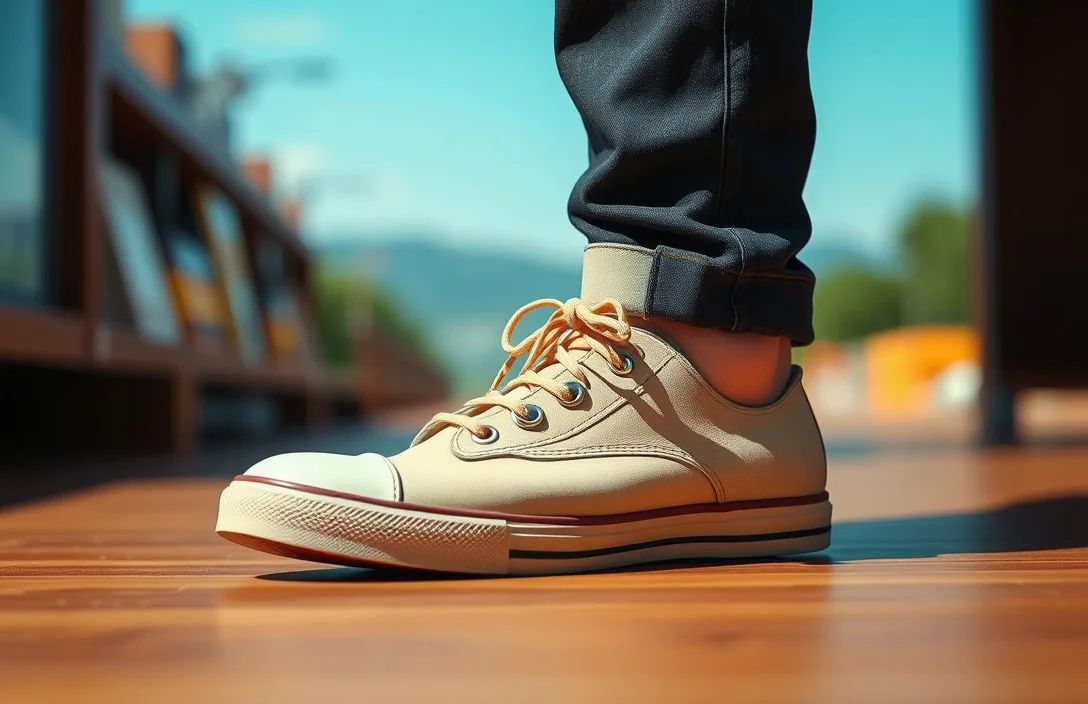
Shoe types and lacing styles determine what charms will stay put and look right. For athletic sneakers with standard laces, thread-through charms on the lace tips or clip-ons anchored to the lace holes both work. Boots, especially those with thick laces or zippers, are better suited to clip-ons that clasp to the upper lace area or to a fixed eyelet near the ankle.
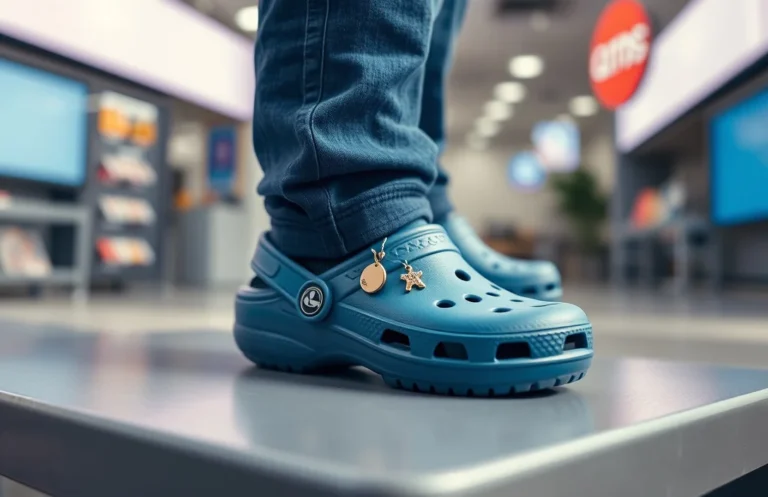
Slip-ons or loafers pose a challenge for traditional laces; you’ll get the most reliable results from clip-on charms that latch to existing decorative eyelets or to a fixed strap. For dress shoes with traditional lacing, thread-through charms can be discreetly nestled along the central lace length, while clip-ons provide a quick-change option for weekend wear when you want to swap looks without retightening laces.
Table: Recommended combos by shoe type
- Sneakers (low-cut): Thread-through charms on lace tips or clip-ons near the top eyelets; standard criss-cross lacing supports both.
- Running shoes: Lightweight thread-through charms that sit close to the crease; clips on the outer edge to minimize bulk.
- Boots (ankle to mid-calf): Clip-on charms placed near the top eyelets or around the ankle area; threading is possible but less secure with thick laces.
- High-top sneakers: Clip-ons at the upper eyelets for stability; thread-through charms can loop across longer lace sections if you prefer a dynamic look.
- Dress shoes: Subtle thread-through charms near the bottom lace area; clips for easy swaps without altering the lacing.
What matters most is the anchor point and weight. Lightweight charms stay comfortable and don’t compromise the way you tie or secure the laces. Heavier pieces can tug on the lacing system or shift during walking, so reserve them for shoes with sturdy lacing or integrated eyelets designed to take extra load.
In practice, pick charms with a secure attachment mechanism and place them where they won’t interfere with tying, tying knots, or your foot’s flex points. If you’re unsure about a particular shoe type, start with 1-2 lightweight charms and observe how they behave during a short walk.
Attaching Charms by Threading Laces or Clips
Attach charms with a method that suits your shoe and daily routine. Threading laces is durable and moves with the shoe, while clips offer quick changes and less risk of lace wear. Decide on one method per shoe to avoid conflicting tensions, then follow these steps.
First, prepare both shoes. Tie a basic knot and loosen the laces enough to thread or clip easily. Inspect each charm’s attachment to ensure no loose parts and that the charm faces outward in the direction you want it to read when you’re standing or walking.
To thread charms onto laces:
1) Align the charm with the lace segment you want to pass through. 2) Slide the charm onto the lace from the outside toward the tongue so it sits neatly. 3) Position it near the bottom third or near the tip of the lace depending on your style. 4) Re-tie your knot or adjust the lace to secure the charm in place. 5) Do a quick walk test to confirm comfort and alignment. 6) If the charm slides, re-thread with a tighter loop or use a second short knot to lock it.
To attach charms via clips:
1) Open the clip and locate a stable anchor point on the lace or eyelet area. 2) Clip the charm onto the edge of a lace hole or onto a fixed anchor point that won’t slide. 3) Gently press to lock the clip; ensure it sits flat against the shoe. 4) Check that the charm does not press into your foot or rub the tongue or shoe lining. 5) Walk a few steps to confirm it stays put. 6) If needed, reposition the clip to a firmer anchor.
In practice, you may alternate methods across shoes depending on how often you change outfits. If you mix methods, keep the number of attachments per foot low to avoid bulk and ensure the laces remain easy to adjust when you tie your shoes.
Durability and Comfort with Charms
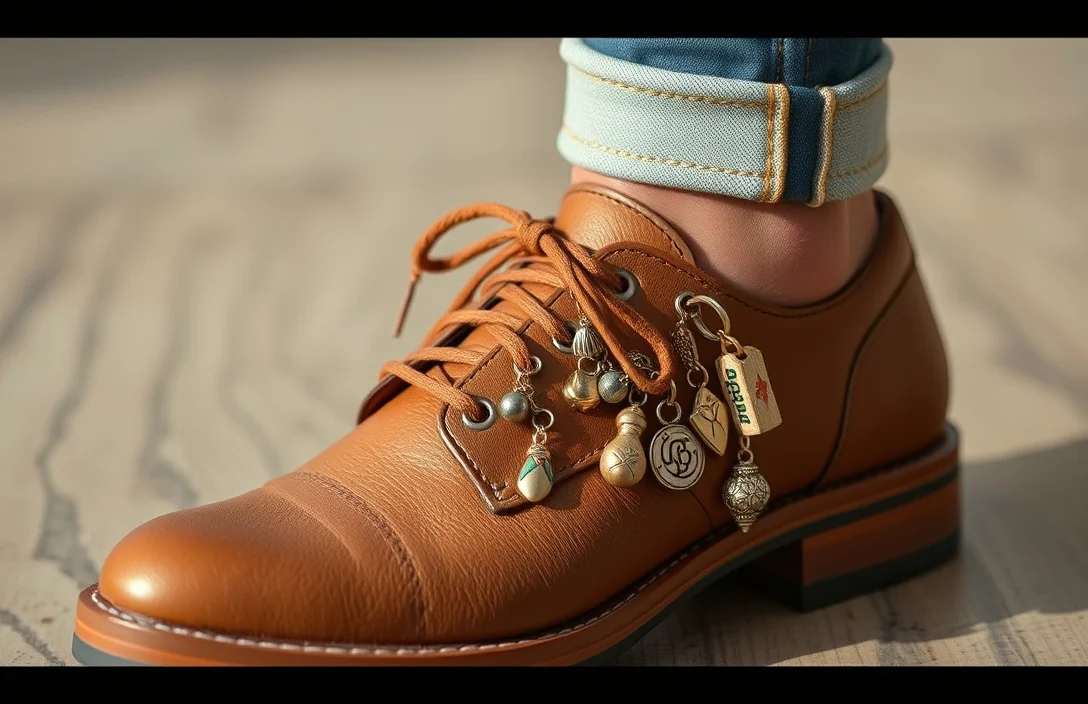
Durability hinges on charm weight, attachment quality, and how aggressively you move. Lightweight charms with solid backing stand up to daily wear, while heavier pieces can cause lace fraying or loosen the knot. Comfort comes from keeping charms clear of the tongue and inner sole area, and from ensuring the charms don’t press against the top of the shoe or your foot.
A practical rule: if the charm can move independently when you bend your foot, it’s likely too loose for daily wear. Check attachments weekly during busy weeks and after activities that involve quick stops or heavy running. Replace any charm that shows signs of cracking, peeling paint, or a loose clip. Clean charms with a quick wipe after mud or dust to prevent buildup that can irritate the foot.
Laces themselves deserve attention. If you notice fraying near the charm, swap to a sturdier lace or move the charm to a position that doesn’t rub the lace edge. You should be able to tie a secure knot without needing to re-tighten the charm repeatedly. If a charm is mounted near the knot, consider moving it to a lower lace segment or using a clip instead.
Balance remains a constant concern. A uniform look across both shoes reduces visual noise and helps prevent one foot from looking heavier than the other. If you add more charms to one shoe than the other, compensate with color or size differences on the opposite foot to preserve symmetry.
Coordinating Colors and Patterns for Balance
Color balance is as important as the charm selection itself. Start with a neutral base on the laces and reserve color for one or two accents. If you’re unsure, pair one brighter charm with a couple of subdued charms in matte finishes to avoid glare or reflection under bright light.
Pattern balance works similarly. When one charm features a bold pattern, keep the others solid or simple. If your outfit includes multiple patterns, ensure the shoes’ charms do not echo every pattern in your clothes; instead, pick a repeating color cue or a single unifying shape.
In practice, observe how the charms fall when you stand naturally. You want the visual line to read smoothly from toe to ankle rather than a random scatter of shapes. For an everyday look, a single small emblem on each shoe provides the strongest, most cohesive statement. For a weekend outfit, two to three colorful charms on each shoe can create a lively, coordinated effect.
Color and pattern coordination tips:
- Use a single accent color on both shoes to tie the look together.
- Limit bright, reflective finishes to one or two charms to prevent overpowering the outfit.
- Alternate charm shapes for visual interest, but keep a common color thread to anchor the arrangement.
- If you wear a logo or brand color, balance it with a neutral charm on the opposite shoe.
A quick practice: pick a base color from your outfit, select one charm that matches that color, and pair it with one or two neutral pieces. Check the overall silhouette in mirror view and adjust as needed. The goal is harmony, not overload.
FAQ
How much do shoe charms cost?
Prices range from about $2 to $12 per charm, with mid-range pieces typically in the $4-$6 range. Expect higher prices for enamel or designer shapes, and lower prices for simple plastic designs.
Will charms damage my shoes?
If you use lightweight charms and secure them properly, damage is minimal. Avoid heavy metal pieces that pull on laces, and ensure clips grip securely without pinching fabric or cracking laces.
Can I wear charms on sneakers that have no traditional laces?
Clip-on charms are the best option for non-lace sneakers. Look for charms that clamp to fixed anchor points or to decorative eyelets if available; otherwise, choose clips designed for elastic or strap areas.
How long do shoe charms last?
Durability depends on material and wear. Plastic or enamel charms typically last several months with regular use; metal pieces can last longer but may wear if exposed to moisture or salt. Inspect monthly for cracks or loose attachments and replace as needed.
What are common mistakes to avoid when wearing shoe charms?
Overcrowding is the biggest issue; limit to 2-4 charms per shoe. Don’t attach heavy charms to thin laces, and avoid placing charms where they rub on footbeds or the tongue. Finally, check tightness before each wear to prevent loosening mid-day.
This approach gives you a practical, stylish way to wear shoe charms without overcomplicating your daily routine. Start with a simple pair on two shoes, test comfort, and adjust the look as you go. The goal is a balanced, comfortable, and repeatable setup you can tweak as your wardrobe evolves.

- Bee Charms For Shoes: Choose By Fit, Style, And Attachment - July 7, 2026
- Croc Shoe Charms Disney: Pick The Right Pack For Your Clogs - July 7, 2026
- Captain America Shoe Lace Charms: Pick The Right Style - July 7, 2026