
How To Make Shoe Charms For Crocs?
Designing and making your own Crocs charms is quicker than you might think. With a few safe materials, a mold, and basic tools, you can create shoe charms that showcase your style and withstand daily wear. This guide details concept design, materials, templates, casting or cutting bases, secure attachment, and finishing touches to ensure durability.
Shoe charms for Crocs can be made at home over a weekend using resin or EVA foam, along with simple templates and a basic sealant. The core steps include designing concepts, creating templates, casting or cutting, securely attaching to the Crocs, and sealing for longevity.
Key Takeaways
- Early concept sketches: Draft 2-3 concepts before molding to save time and materials.
- Safe material choices: Use non-toxic resins or EVA foam rated for crafts.
- Template accuracy: Create templates that fit Croc slots precisely to avoid mis-cuts.
- Secure attachment: Opt for hardware or adhesive rated for at least 12 months of wear.
- Durability testing: Allow 24 hours of curing and light flexing before wearing.
- Finish protection: Seal with a protective layer to resist water and UV for 6-12 months.
Designing Your Croc Charm Concepts
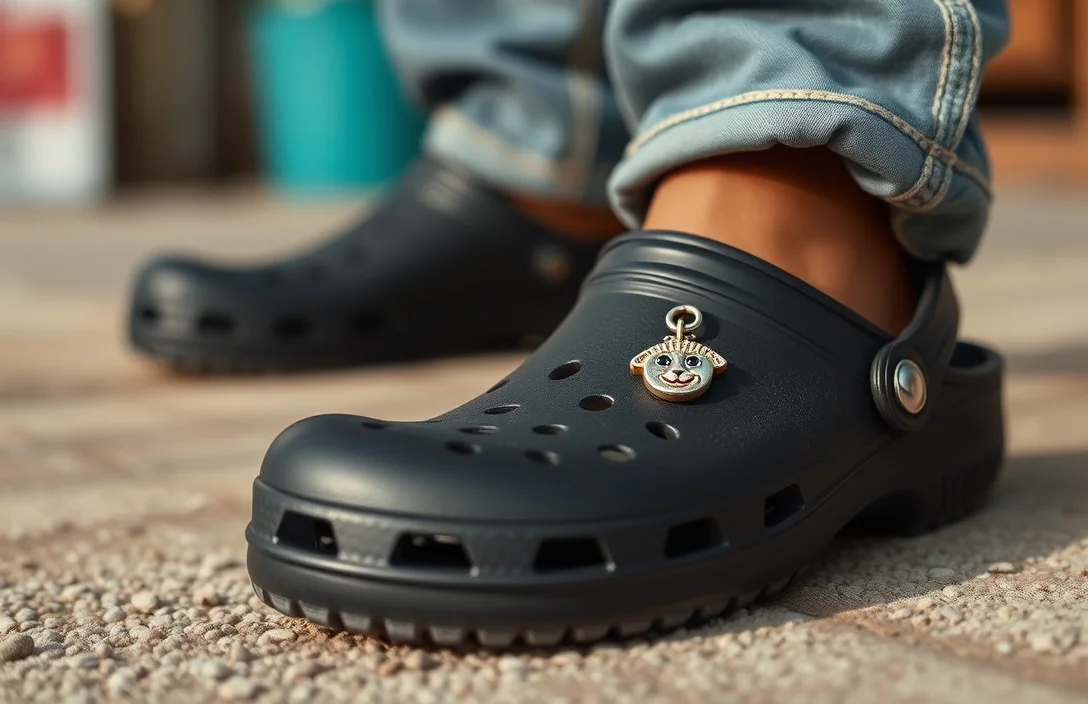
Start with concept sketches. Choose themes that resonate with your personality or current trends, while ensuring the size fits Crocs’ vent holes without sticking out. Sketching 2-4 options helps you compare shapes, thickness, and how a charm will sit in the Croc’s slots. Aim for a charm that looks intentional and not bulky, crafted from readily available materials.
Consider how a charm interacts with other decorations. A cluster of tiny shapes can appear cluttered, while a single bold piece feels clean. Think about color harmony; select two or three colors that match your wardrobe or theme. If you plan to create multiple pieces, design a couple that complement each other (like a fish and a wave) for mixing and matching.
For example, a seaside motif works well – keep the charm width under 8-10 millimeters and layer translucent blues to evoke water. This approach ensures the piece is lightweight, easy to insert, and visually cohesive with various Crocs colors.
To validate a concept, print a 1:1 template and cut it from sturdy cardboard or acetate. Test the fit in a Croc slot by sliding it through the opening. If it catches or feels tight, revise the design before committing to material.
In this phase, focus on converging on a handful of shapes that meet your size, weight, and aesthetic criteria. Your final choice should balance ease of production with durability and style.
Picking Safe Materials and Colors
Prioritize safety and practicality. EVA foam and non-toxic resins are the most approachable options for hobbyists. EVA foam is easy to cut and lightweight, while resin captures finer details and produces a durable finish. Avoid materials that become brittle or melt in heat, particularly if your Crocs will be worn outdoors or in hot climates. Ensure colorants are non-toxic and compatible with your chosen base material.
Color selection is crucial for aesthetics and durability. Transparent resins tinted with mica powders or acrylic paints can provide depth, while EVA foam accepts acrylic paints and markers for intricate shading. Test a small sample of pigments with the resin before committing to a full batch. For a uniform look, cast a base charm in a neutral shade and add accent colors with epoxy or paint after curing.
Each material has trade-offs. EVA foam is inexpensive, flexible, and safe, but less durable than resin and can crease under heavy flex. Epoxy resin offers durability and detail but requires a mold and proper ventilation. Polymer clay is another option; it’s baked and color-rich but must be baked away from Crocs to avoid deformation.
| Material | Pros | Cons | Color Options |
|---|---|---|---|
| EVA foam | Inexpensive, easy to cut, lightweight | Less durable, can bend | Wide range, easy to mix |
| Epoxy resin | Durable, high detail, clear finish | Requires mold, fumes when uncured | Transparent to pigmented blends |
| Polymer clay | Strong after baking, good detail | Needs oven, potential cracking | Broad color palette |
| Wood or cork | Unique look, natural texture | Varying water resistance, heavier | Natural tones, stainable |
Ensure your color choices are color-fast and compatible with the base. For resins, test the pigment in a small batch to confirm it doesn’t bleed or separate on cure. Use metallic mica powders or pearlescent pigments for a sheen that won’t react with the resin. For foam, acrylic paint or permanent markers work well, and sealing treated surfaces extends color longevity.
Durability isn’t only about the charm itself; consider how it will attach. If you cast a resin charm, choose colors that remain vivid after UV exposure, and consider UV-resistant clear coats for the final finish. For EVA foam, you may want extra protection at edges to prevent snagging and wear.
Making Mold Templates for Charms
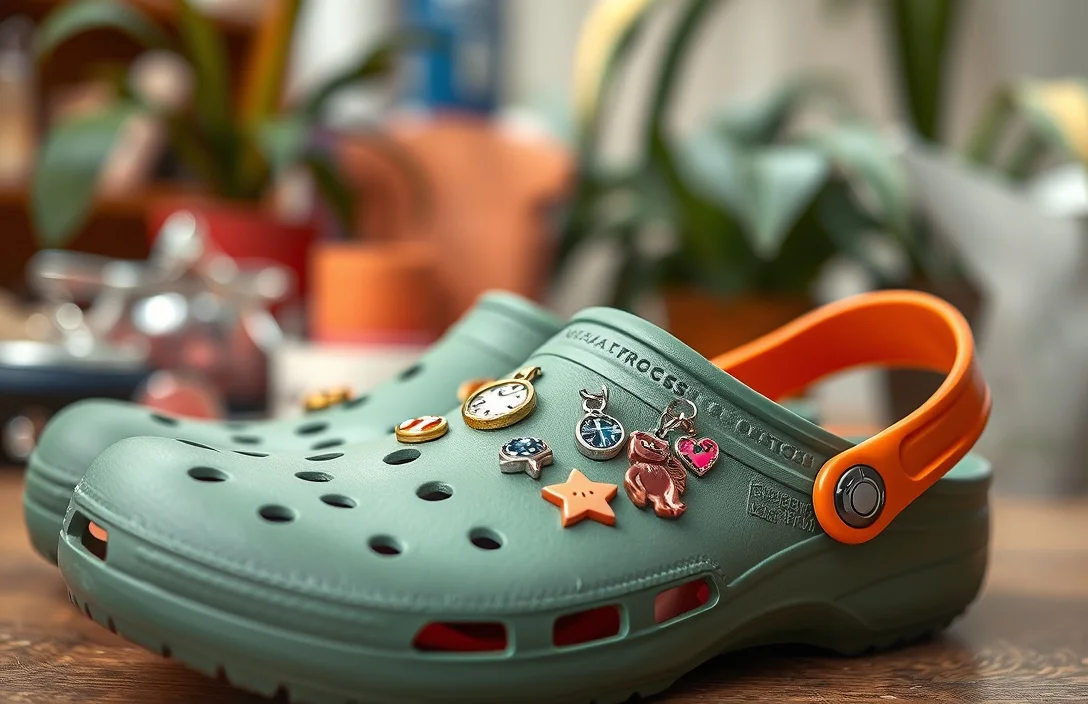
Templates streamline the process and ensure design consistency. Use 1:1 scale templates or print a master template cut from sturdy acetate or plastic card stock. Transfer the outline to your base material and cut with a sharp blade to minimize jagged edges. Clean edges lead to snug fits and easier insertion into Crocs.
Silicone molds are ideal for resin charms. Create a master shape from clay or 3D print a model, then embed it in two-part silicone to form a negative. Once the silicone cures, pour resin into the mold to reproduce your charm with precision. For EVA foam, cut shapes from sheets using a sharp utility knife, and smooth edges with fine sandpaper or a sanding block for a comfortable fit.
For instance, create a small seal figure as your master, then cast a silicone mold around it. Mix silicone components, pour into a mold frame, insert the master, and let it cure fully before removing the negative mold. This negative becomes your production mold for resin or dedicated die-cut EVA forms.
Templates for the charms should be precise. A typical 10 mm wide charm requires a template that accounts for adhesive or post depth if adding hardware. If embedding a post backing, ensure the template considers the post thickness so the charm sits flush against the Croc’s surface.
In practical terms, you’ll need both a positive master and a negative mold. The master is the exact shape you want; the negative captures every detail for accurate casting or cutting. Better templates reduce sanding time later and improve batch consistency.
Casting or Cutting Charm Bases
Casting resin charms and cutting foam bases are the two primary methods. Casting yields sharper details and a glossy finish, while foam is lighter and simpler for beginners. Your choice will depend on your tolerance for odor, curing time, and desired detail level.
For resin, prepare a clean work area, mix resin with pigments in small batches to minimize waste, and pour into prepared silicone molds. Cure as directed, typically 24-48 hours depending on the product and temperature. After demolding, trim any flash lines and buff edges to a smooth radius for easy insertion into Croc slots.
For EVA foam, cut shapes from sheets using a sharp craft knife. To achieve clean edges, bevel the outer perimeter with a small sanding pad and test fit in the Croc slot. You can stack foam pieces for a layered effect and seal the surface with a flexible sealant to resist scuffing. This method requires less curing time but may need periodic replacement with heavy wear.
You might cast a small set of 4-6 charms in resin and a matching set in foam for variety. This approach allows real-world testing of wear and helps you choose your favorite combination. For example, the resin set could feature bolder, detailed shapes while the foam set offers quick, budget-friendly daily wear options.
If casting resin, work in a well-ventilated area and wear gloves to avoid skin contact with uncured resin. For foam, use a stable cutting surface and maintain precise pressure to avoid uneven edges. Both methods require a gentle hand when finishing to keep edges smooth and shapes consistent.
Numbered steps for casting or cutting bases:
1) Prepare your master or foam pattern with clean edges.
2) For resin, mix resin and hardener in small batches, adding pigment gradually.
3) Pour or cut shapes, filling molds about 80 percent to leave room for air.
4) Cure in a dust-free area until fully hardened.
5) Demold gently and trim any excess material.
6) Sand edges to a smooth radius; wipe away dust.
7) Optional: apply a light sealant for foam or a top coat for resin.
8) Test-fit in a Croc slot and adjust if necessary.
Attaching Charms to Crocs Securely
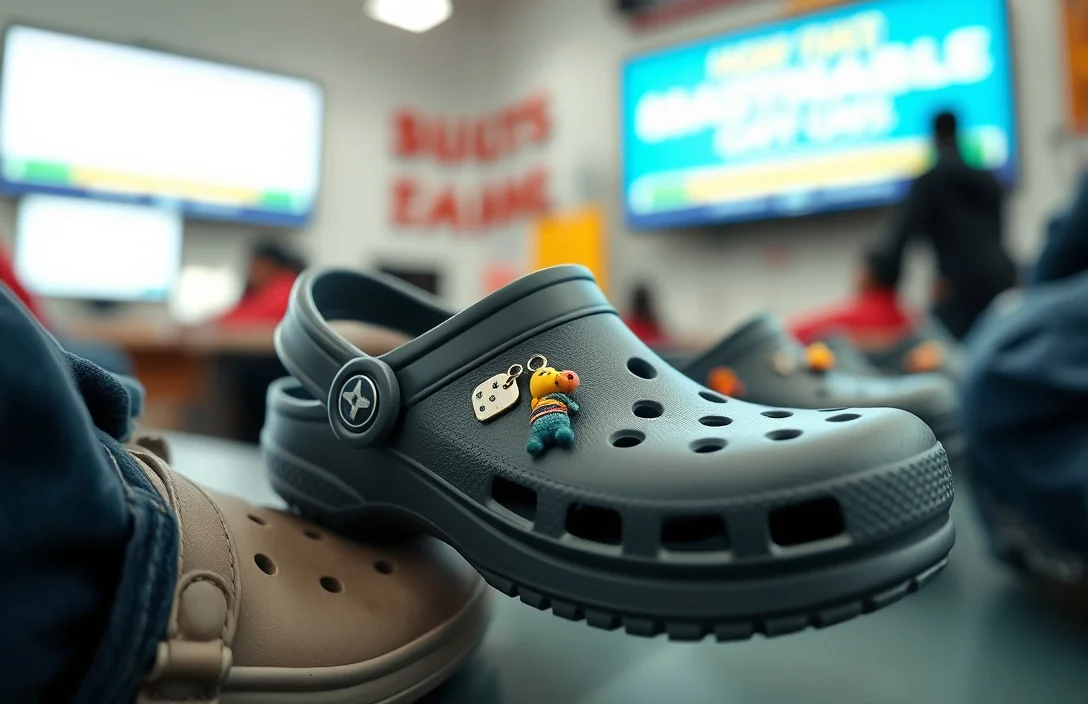
Attachment is crucial. Aim for a secure hold that won’t damage the Crocs. Choose an attachment method that balances ease of use, durability, and comfort. Common options are mechanical fasteners (like posts or rivets) and strong adhesives designed for flexible plastics. Both can work, but a dedicated charm post system or a pin-back method through the Crocs’ holes typically yields better long-term results.
Preparation is key. Clean the Crocs’ surface and hole areas with isopropyl alcohol to remove oils. If using posts, preload them with a small amount of adhesive to prevent loosening. For adhesive, select a flexible, cured, waterproof option designed for plastics. Allow the adhesive to cure fully before wearing to prevent twisting or pop-offs.
Your choice of attachment method will also affect aesthetics. Posts and rivets create a cohesive look, while adhesives offer a sleeker, nearly invisible connection. A hybrid approach – using posts for alignment and a thin bead of flexible epoxy for added security – often works best for everyday wear.
Step-by-step attachment guide:
1) Decide between posts, rivets, or adhesive and gather the necessary hardware.
2) Mark the Croc holes with a light pencil guide and double-check alignment.
3) Pre-fit the charm on the Croc to confirm the position.
4) Install posts or rivets, using a pin tool to push through evenly.
5) Apply a small bead of flexible adhesive at the base and around the post.
6) Wipe away excess adhesive and let cure fully before use.
7) Test by applying gentle pressure and flexing the shoe to ensure hold.
8) Inspect after 24 hours and reapply adhesive if needed.
Finishing Touches for Durability and Shine
Durability relies on proper sealing and protective finishes. Resin charms benefit from a UV-resistant clear coat to prevent yellowing, while EVA foam charms should receive a flexible sealant to resist cracking and moisture. Sealing helps keep colors vibrant longer.
A clear top coat also serves as a protective barrier at the interface with the Croc hole, reducing wear from sliding in and out and minimizing edge chipping. For a matte or satin finish, test a satin-finish sealant on a small batch before applying it to the entire set. Always cure in a well-ventilated area, following product instructions.
Apply a light layer of sealant after the charm has fully cured and any paint has dried. Dry in a dust-free environment. For extra resilience, repeat the sealing step after a full cure to build a stable protective layer. A second coat often doubles the life of the finish, especially for resin charms that frequently encounter friction inside Croc holes.
Additionally, lightly sand edges to remove rough spots. A smooth edge reduces snagging and increases comfort. If your design includes layered materials, ensure the interface between layers is fully bonded and sealed to prevent delamination during wear.
FAQ
How much does it cost to make Crocs charms at home?
$5-$15 for a basic resin or foam set, plus optional tools or molds. You can start with a simple foam kit and a small resin batch for under $20 total, depending on materials and colorants chosen.
How long does it take to make a batch of charms?
A batch of 4-6 resin charms typically requires 1-2 hours of work plus 24-48 hours for full cure, depending on resin and ambient temperature.
Is it safe to use resin around kids?
Work in a ventilated space, wear gloves, and choose low-odor resins. Cure times vary by product; plan for 24-48 hours before handling molded pieces.
What is the best method to attach charms to Crocs?
Posts or small rivets with a backing plate provide secure, durable holds; adhesive alone may wear sooner in active use.
What is a common mistake when making Croc charms?
Making the charm too thick for the Croc slot or using brittle materials that crack with flexing; aim for a maximum width of 8-10 mm for most slots.
You can craft durable, stylish Crocs charms at home by combining thoughtful concept design, safe materials, precise templates, careful casting or cutting, secure attachment, and a durable finish. Start with a few simple designs, test fit, and build from there. Your next steps are to choose a material path (foam or resin), draft 2-3 charm concepts, and prepare a single mold or cutting plan for your first batch.

- Bee Charms For Shoes: Choose By Fit, Style, And Attachment - July 7, 2026
- Croc Shoe Charms Disney: Pick The Right Pack For Your Clogs - July 7, 2026
- Captain America Shoe Lace Charms: Pick The Right Style - July 7, 2026