How To Make Pvc Shoe Charms? Explained Simply
Want to know how to make pvc shoe charms? This practical guide gives a step by step plan to design, cut, decorate, seal, and attach charms that stay looking sharp on Crocs. You’ll start with templates, pick the right PVC thickness, and wrap up with a durable finish and safe attachment. The goal is a set of charms that are easy to replicate, resistant to sun and water, and quick to swap.
PVC sheets between 1 and 3 mm thick work well; 2 mm is the default that balances flexibility and durability. Use 1 mm for light, thin charms and 3 mm for stiffer pieces that resist bending, especially for bigger motifs.
Key Takeaways
- Plan templates. Design your shapes on scrap paper first to minimize waste and ensure even sizing.
- Choose thickness. Start with mid range (2 mm) for best mix of cut ease and durability.
- Smooth edges. Round corners and sand rough edges to prevent snagging.
- Prepare attachment. Decide on holes or posts early and design around that approach.
- Decorate and seal. Layer paints and markers, then seal to protect from UV and chipping.
- Attach safely. Test fit on Crocs and use a secure method to prevent loss.
Design Your PVC Charm Templates
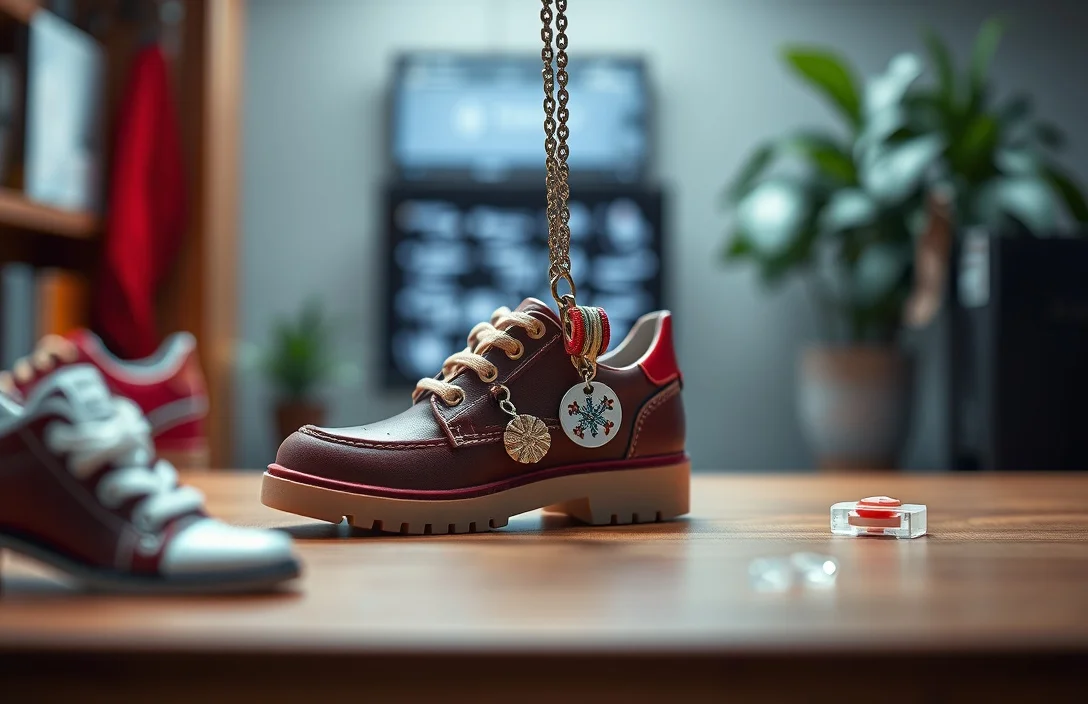
Templates are the backbone. A clean plan saves time in cutting and ensures every charm fits the Crocs holes you intend to use. Start with a few core motifs you like – stars, hearts, initials, or simple icons – and sketch them at a practical size. A small grid system lets you scale up or down without distortion.
In practice, you’ll want templates that translate well to PVC. Trace each shape onto vinyl or cardstock first, then mirror the shape for any symmetrical designs. Leave a uniform edge around each motif to simplify sanding and to keep your pieces sturdy under repeated wear. When you finalize a template, bring at least two extra copies so you can test variations without risking your primary sheet.
For example, design a trio of sizes for each motif: a small version for delicate looks, a medium version for everyday wear, and a larger version for bold statements. This approach gives you option without multiplying work. It also helps you plan color blocks so you can reserve one section of your sheet for a consistent background or accent color.
- Keep shapes simple at first. Complex curves burn more time and increase scrap.
- Reserve space for a small back or edge area that hosts the attachment method.
- Create a couple of practice copies on scrap PVC before cutting the final shapes.
- Tip: a light, reusable stencil makes cutting faster. You can cut a handful of shapes in a single pass if you keep consistent margins.
For beginners, a small set of templates is better than a sprawling library. As you gain precision, you can scale motifs up or down and add tiny details that won’t compromise the charm’s structural integrity.
Choose PVC Thickness and Colors
Your choice here drives both how easy the shapes are to cut and how long they last in daily wear. Thicker PVC resists bending and scuffs, but it takes more force to cut and can feel heavy on small motifs. Thinner PVC cuts fast and keeps pieces lightweight, but it wears faster and can warp with heat.
A balanced starting point is mid range, around 2 mm. It gives you flexibility for curves without being so soft that designs deform. If you expect larger, bolder motifs, moving toward 3 mm increases rigidity and durability. For very small, delicate shapes, 1 mm keeps things light and manageable, provided you avoid sharp edges that stress points.
Colors matter, too. Solid colors tend to show cleanly under paint, while translucent PVC can make a glow effect when backlit by sunlight. If you plan to paint details, pick a light base color or white for best coverage. When you seal, choose a UV resistant sealant to preserve color.
Here is a quick option table to help visualize thickness choices and their trade offs. Use it as a practical reference when you prepare the first batch.
| Thickness | Flexibility | Durability | Best For |
|---|---|---|---|
| 1 mm | High flexibility, very light | Moderate with repeated bending risk | Small, intricate shapes; light accents |
| 2 mm | Balanced flexibility and stiffness | Good durability under everyday wear | Most motifs; easy to cut and paint |
| 3 mm | Low flexibility, high rigidity | Very durable; resists bending | Large or bold motifs; heavy daily use |
When choosing colors, plan a palette that matches your main themes. Have a few neutral colors for backs or negative spaces, then brighten with highlight colors. Paint adheres best to light backgrounds, and a clear UV sealant helps prevent fading in sun exposure.
Cut Shapes and Smooth Edges

Cutting requires a sharp blade, a stable surface, and a careful approach. A metal ruler, a precision hobby knife, and a cutting mat keep lines true and protect your work surface. Trace a shape onto the PVC with a fine marker, then cut slowly along the line, stopping if you wobble.
Safety matters. Wear eye protection and keep fingers clear of the blade. Make a quick practice cut on scrap pieces before committing to your final shapes. When you finish cutting, remove burrs with a fine sanding block or file. Round off all corners to prevent snagging or cracking at stress points.
In practice, you’ll likely cut multiple shapes per session. Stack templates and cut in a single pass where possible to speed up production but avoid forcing through the blade too quickly. After cutting, lightly sand any rough edges with fine grit sandpaper to produce a comfortable, snag-free finish. Check each edge for sharpness and adjust as needed.
- Use a gentle touch on curves to prevent chipping.
- Hold the blade at a shallow angle to reduce edge tearing.
- Check each piece for uniform thickness with a caliper or ruler.
If you want to create a few test pieces before committing to your full run, keep a small batch of scrap shapes handy. They’re perfect for confirming attachment fit, edge comfort, and how well the paint adheres before you cut into your main templates.
Create Crocs Attachment Holes or Posts
Attachment method determines the charm’s future life on Crocs. The two common approaches are posts that insert into Crocs holes and holes in the charm that align with Crocs hardware. Plan which path you’ll use before finalizing shapes. This prevents the need to rework later pieces.
Post method: carve a short, narrow post on the back or underside of the charm. The post should be slightly rounded at the tip to ease insertion, with a head that prevents accidental pull through. A height of about 4-6 mm gives a secure fit in most Crocs holes; adjust if your shapes are unusually thick. If you’re using PVC from different batches, test several posts to ensure consistent grip.
Hole method: drill a small, clean hole near the top edge of the charm to accept a thin pin or rivet, which then clips into the Crocs holes. A 0.8-1.2 mm drill bit works for most PVC, but check your final piece against the actual Crocs holes you plan to use. If you go with holes, be sure the spacing matches the Crocs hole pattern on your specific shoe design. This approach can support interlocking pieces or multiple charms per strap.
In practice, many crafters combine both approaches: a short post on the back for primary attachment, plus a tiny secondary hole for alignment or decorative clips. If your design needs to handle more weight, consider a secondary adhesive anchor behind the post for extra security.
- Create a dry run by mounting a few test pieces on an old Crocs strap to ensure fit before committing to a production run.
- For posts, roughen the contact area slightly with a micro-etch to improve adhesive bonding if you plan to reinforce with glue.
- If you plan to glue posts, use a thin epoxy or cyanoacrylate that cures clear and has low bloom potential on PVC.
In practice, you’ll learn your preferred method by testing on a handful of pieces. Start with the simplest approach – one solid post or one clean hole – then add complexity only if the fit proves too loose.
Decorate with Paints, Markers, or Decals
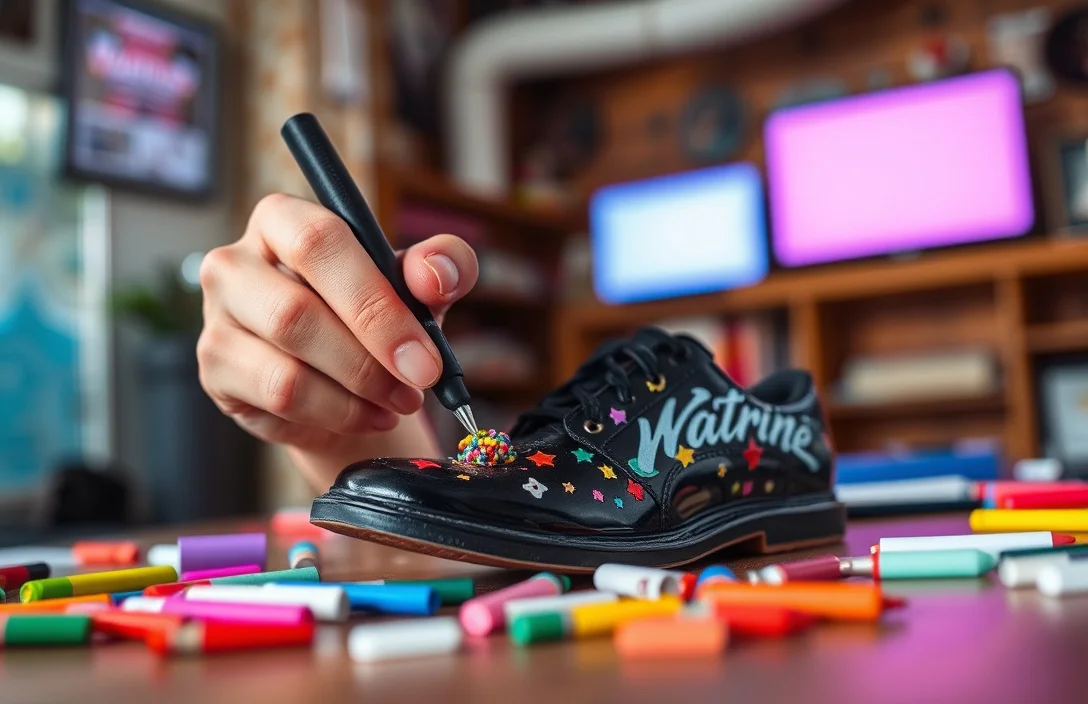
Decorating brings your PVC charms to life. Acrylic paints adhere well to PVC, but they need a primer or a sealer to keep colors vibrant. Start with a white or light base if your design needs bright contrast, then apply your colors in thin layers. Let each layer dry before adding the next to prevent bleeding.
Markers are a fast, precise option for details like facial features or lettering. Permanent markers resist wear better than lighter inks, but you may still want a protective sealant over the top to guard against chipping and UV fade. Decals or vinyl decals can offer crisp edges for logos or text – just seal them after application so they bond to the PVC.
In practice, set up a small paint area with a dedicated brush set, a damp cloth for cleanup, and a fan or a well-ventilated space. Test a couple of motifs on scrap pieces to optimize line weight and color density before working on your final batch. When you’re happy with the look, bake or cure the paint if your chosen method requires it, then proceed to sealing.
- Layer paints in the order of base color, shadows, highlights, and details for depth.
- Use light, even strokes rather than heavy pours to prevent pooling at the edges.
- Allow at least several hours of dry time between coats, longer for thicker layers.
Decals provide clean lines without hand painting every detail. Cut decals to exact shapes, apply with transfer tape, then burnish to seal. For best adhesion, apply a clear coat over decals to keep them from lifting with wear and sweat.
Seal for Durability and UV Protection
Sealing locks in color and protects the PVC from moisture, oils, and sun exposure. A clear acrylic spray or a brush-on sealant gives a protective layer that resists chipping and fading. If you’ve painted, seal between color layers to prevent bleed and to add UV resistance.
Apply sealant in light, even coats. Build up a few thin layers rather than a single heavy coat. Allow adequate drying time between coats, and finish with a final layer that provides UV protection if you’re designing for outdoor wear. For best results, test the sealant on a scrap piece to ensure the finish remains flexible and does not craze the PVC.
In practice, you’ll often seal in two stages: first a matte or satin clear coat to keep colors true, followed by a UV protective topcoat. A topcoat helps prevent yellowing and chalking when the charms sit in sun or sweat. For indoor use or occasional wear, a single coat can suffice, but two stages deliver longer life.
- Choose a sealant labeled UV resistant for outdoor use.
- Avoid thick coats that trap heat and can cause PVC distortion.
- Allow long cure times if the product recommends it to prevent tackiness.
If you’re unsure which sealant to pick, test two different products on small pieces first. Label the test samples and compare wear after a few weeks of light use.
Attach Charms to Crocs Safely
Before you mount a batch, test each charm on a spare Crocs strap. Ensure the attachment is secure yet removable for cleaning or swapping. When you are confident in the fit, attach your charms to the actual Crocs using the chosen method. Avoid overloading the area with too many heavy charms, which can force the strap to bend and wear prematurely.
Clean the Crocs holes or posts before attaching. Residual soap, lotion, or oil can reduce grip and cause slippage. If you use glue or epoxy on the posts, apply a thin layer and let it cure fully before handling the shoes. Check each charm after a day of wear; if anything feels loose, recheck the fit or add a supplemental anchor behind the post.
In practice, consider a routine: test fit, clean, attach, and verify after a short wear period. If a charm feels wobbly, adjust the post height or the alignment to ensure it sits flush on the Crocs surface. Avoid forcing a too-tight fit that could crack the attachment or crush the charm during flexing.
- Use secure, snug posts that match the Crocs hole diameter.
- Avoid sharp edges that could gouge the Crocs material or skin.
- If a post or hole loosens, replace with a thicker post or adjust spacing to reduce leverage.
Safety matters: always remove charms during bathing or when the Crocs get wet for extended periods to prevent rust of any fasteners and to extend the charm’s life. If you ever notice cracking around a hole or post, stop using that piece and rework it on a fresh template.
FAQ
Can I make PVC charms in a batch and store them?
Yes. Cut multiple shapes from a single sheet, then cure, paint, and seal all at once for consistency. Label each batch with motif and thickness to speed up future projects.
What is the best way to seal PVC charms for outdoor use?
Apply a clear UV resistant sealant in thin, even coats. Allow full cure between coats, and finish with a topcoat to protect colors from sun and sweat.
How do I prevent the paint from chipping when charms flex?
Use a primer on PVC, apply light layers of acrylic paint, and seal with UV resistant topcoat. Avoid heavy layers that crack when the charm flexes.
How long does it take to complete a batch of 20 charms?
Plan about 2-4 hours for design, cutting, painting, sealing, and curing for a batch of 20 charms, depending on detail. Larger motifs take longer, but you can parallelize steps.
Are there safer alternatives to glue for attaching posts?
Yes. If you want to avoid glue, design a snug friction fit with a slightly oversized post or clamp the post in place with a small mechanical fastener. Always test for wear before mass production.
Closing practical verdict: Start with a simple set of templates, pick a mid range thickness, and finish with a durable seal. Test fit on a few Crocs before committing to a full batch, and you’ll be swapping charms in minutes, not hours. This approach gives you reliable results and room to grow your collection.

- Bee Charms For Shoes: Choose By Fit, Style, And Attachment - July 7, 2026
- Croc Shoe Charms Disney: Pick The Right Pack For Your Clogs - July 7, 2026
- Captain America Shoe Lace Charms: Pick The Right Style - July 7, 2026