
How Do Shoe Charms Attach? Lace Vs Clip-on Vs Magnetic
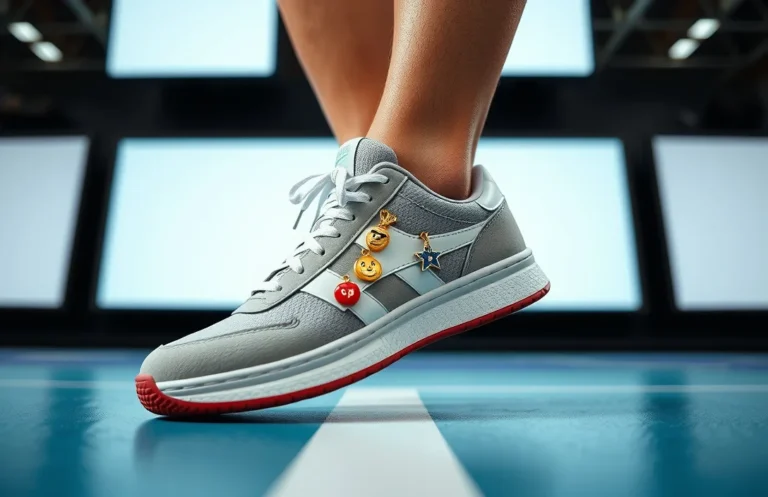
Footwear charms add personality without a full makeover, but their attachments vary by style. The main options are threading through laces, clipping to eyelets or straps, and magnetic or clip-on mechanisms. How shoe charms attach depends on your shoe type and the level of security you want. Here’s a practical, no-nonsense guide.
Shoe charms attach in three main ways: threading through laces, clipping to eyelets or straps, and using magnetic or clip-on mechanisms. The best choice hinges on security needs, shoe style, and how often you want to remove or swap charms.
Key Takeaways
- Fast installation. Clip-on and magnetic charms install in under 60 seconds.
- Lace-through security. Proper knotting prevents slipping during wear.
- Compatibility matters. Lace style and eyelet design influence hold.
- Safe removal. Remove gently to avoid fraying.
- Care and durability. Material choice drives longevity; metal lasts longer than plastic.
What Are Shoe Charms and How They Attach?
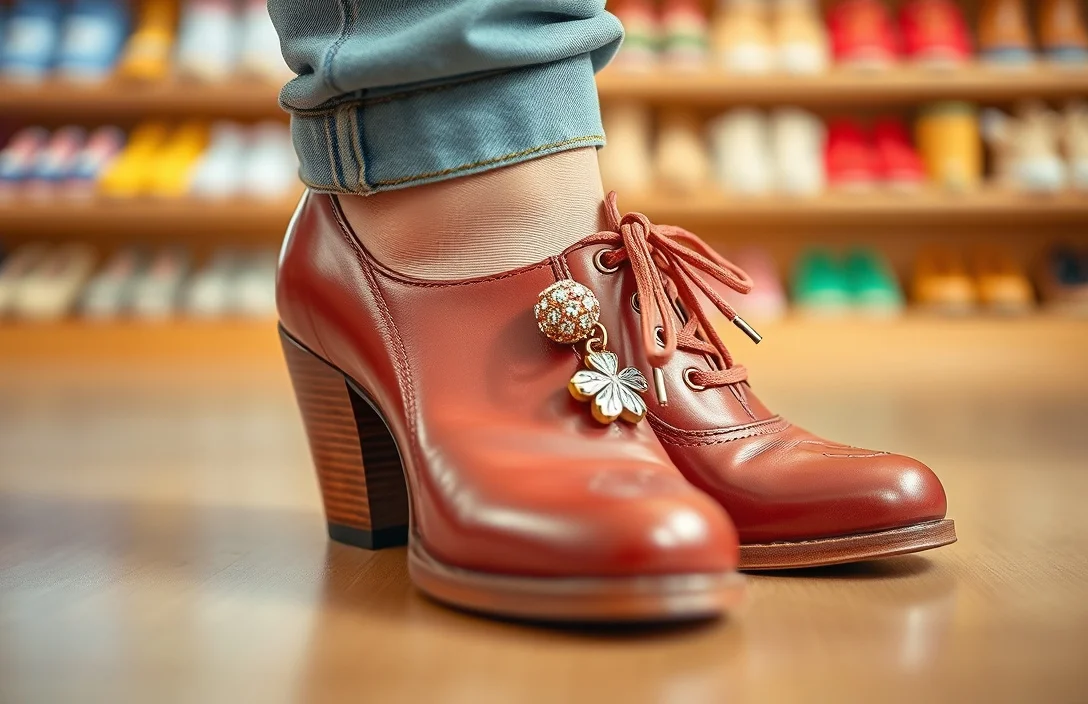
Shoe charms are small decorative attachments designed to personalize footwear without altering the core fit. They come in three broad families: those that thread onto laces, those that clip to eyelets or the shoe tongue, and those that rely on magnetic or clip-on hardware. Each family has its own pros, drawbacks, and best-use scenarios. Matching the charm’s method to how you actually use your shoes is essential.
Lace-threaded charms stay put when the lace is properly secured, but they can loosen if the knot or bead slips. Clip-on charms grip the eyelets or lace seam, making removal and swapping quick. Magnetic designs use a reinforcing magnet or a metal plate to hold the charm in place, working best on shoes with a compatible metal surface or a discreet anchor. Choose based on your activity level, concern for lace longevity, and desired visibility of the attachment.
When shopping, pay attention to the anchor point. Some charms sit on the lace itself, others clamp around the lace eyelets, and a few attach to the tongue or inside the shoe gap. Each attachment location has its own wear pattern and damage risk. For example, lace threads can fray with rough knots, while clip-ons can press against the top edge of the eyelet and rub. The right grip depends on your daily routine – commuting, walking, or jogging.
Attaching Charms to Laces
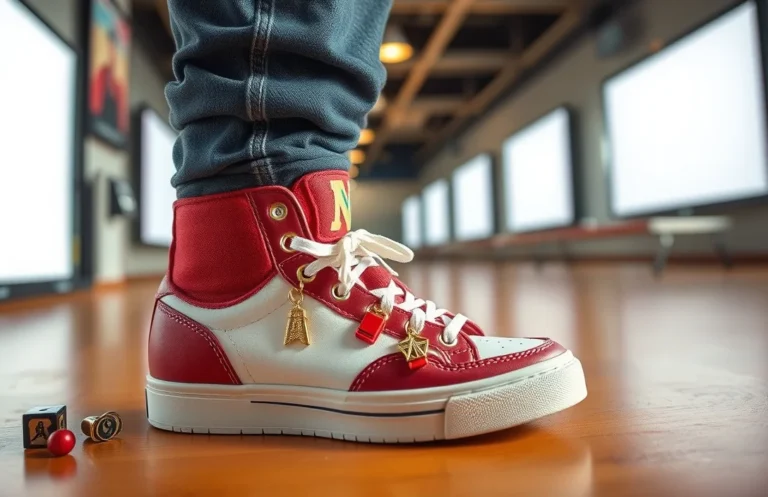
Attaching charms to laces is straightforward but benefits from a plan. Start with a charm designed to thread onto the lace, ideally with a small anchor bead or loop. The goal is to keep the charm centered without pulling on the lace fibers. Poor threading can cause lace wear or shift the charm to an awkward position during movement.
Select a charm sized for the lace width and eyelet spacing. If your laces are thin or glossy, a compact charm with a snug loop is less likely to slide. For thicker, round laces, a slightly larger anchor or a bead that sits flush against the lace works better. When threading, keep the knot tight and use a simple overhand knot around the loop to lock it in place, preventing the charm from sliding as you walk.
For example, thread the charm near the bottom of the lace, then bring the lace ends around the charm and tie a double knot to anchor it. Center the charm between the two halves of the lace so it sits neatly along the shoe’s vamp. Ensure the knot is neither too tight, straining the lace, nor too loose, allowing it to slip. After tying, gently tug on the charm to verify it remains centered and stable.
Lace-threaded charms are ideal for dress shoes and casual sneakers where you want a clean look with minimal hardware. They’re less suitable for high-activity wear or shoes with heavily textured laces, where slippage is more likely. If you frequently tighten or adjust laces, consider a charm with a locking bead or a secondary tie to keep it in place.
Attaching charms to laces is the most customizable method, but it carries the highest risk of lace wear if not done carefully. Always inspect the lace after a few wears to ensure the knot remains secure and the charm stays centered. If you notice any fraying, untie and re-thread with a fresh knot, considering a slightly larger anchor.
Clip-On and Magnetic Charm Options
Clip-on charms and magnetic designs offer the fastest path to a changeable look. Clip-ons grab the lace seam or ankle area with a small clamp that holds steady during daily activity. Magnetic charms rely on magnets or magnetic-backed plates to attach to a steel or metal-compatible surface on the shoe or to a small metal anchor glued or sewn into the insole area. The contrast is clear: clips are mechanical, while magnets are passive.
Clip-on charms shine for convenience, allowing quick swaps without tying or untying. The downside is bulk and potential snagging; a clip that sits too high can rub on the ankle or snag hair and fabric. Magnetic charms excel in sleekness and minimal intrusion but require compatible materials or additional anchors to work reliably. If you have leather sneakers or canvas shoes with metal eyelets, magnets can be a neat solution, but check the magnet’s strength and any interference with other metal fixtures.
When choosing between clip-on and magnetic options, weigh security against wear and comfort. Clip-ons are typically more secure during movement, while magnets offer a low-profile aesthetic that won’t alter lace structure. If you worry about losing charms during quick moves, a clip-on is often the safer bet. For casual wear, magnets can be adequate and less obtrusive.
Charms for Flat Shoes and Boots
Flat shoes, sneakers, and boots each demand different attachment logic. Flats with a shallow vamp and thin laces benefit from lace-threaded charms that sit flush against the shoe surface. Sneakers with multiple eyelets can carry either lace-through or clip-on charms, depending on your style and how you tie the laces. Boots, especially those with rugged or thick laces, often work best with clip-on designs that clamp securely to a lace seam or to a strap anchored near the ankle.
For boots, consider the length and stiffness of the lace. A shorter lace or a tightly woven lace reduces slippage, helping charms stay in place. If you want to wear charms with tall boots, magnets can be an elegant option, provided there is a stable metal surface to anchor them or a small embedded plate in the lining. For flats, a lace-threaded charm can be nearly invisible if you choose a compact design and keep your knots tidy.
You may find yourself using different attachment types across different shoe collections. A single charm that can switch between clip-on and lace-through is versatile for someone who wears a mix of flats, boots, and sneakers. The key is to test your daily routines and ensure the charm’s grip aligns with how you move throughout the day.
Removing and Replacing Charms Safely
Removing a charm should be simple and gentle. Start by loosening any knot or clip or the magnet’s grip without pulling excessively on the lace. For lace-threaded charms, untie the knot carefully, then slide the charm off the lace. For clip-ons, gently open the clamp to release the charm. Magnetic charms require a careful lift to detach, especially if you’ve added a small anchor plate.
Reattachment follows the same careful approach you used to install it. Rethread the lace, reclip, or reattach the magnet, then test the charm by applying a light tug. Ensure the position remains centered and the lace or material isn’t showing wear. If a charm has shown any signs of loosening or chafing, replace the anchor or switch to a more secure attachment method.
A quick removal can be done during an outfit change or while adjusting footwear, but avoid tearing at the lace or forcing the charm if it resists. The goal is a swap that preserves both the charm and the shoe’s integrity. When you replace charms, consider moving them to a different anchor point to distribute wear evenly over time.
Troubleshooting Charms That Won’t Stay On
If a charm won’t stay on, evaluate the attachment method. Lace-threaded charms can slip if the knot loosens, the lace wears thin, or the loop bends. Clip-on charms may loosen if the clamp is bent or if the shoe’s edge is too rounded for a firm grip. Magnetic charms can fail if the magnet loses strength or if there’s no compatible metal surface to grab.
Inspect the lace quality. Frayed edges or slick, new laces reduce grip. If needed, re-thread with a sturdier knot or switch to a thicker lace. Check for bent eyelets or a compromised anchor point, which can reduce the charm’s hold. If you’re consistently fighting movement, consider a different attachment type for that pair of shoes or switch to a charm with a more robust anchor.
For example, move from a lace-through design to a clip-on on sneakers with slippery laces. On boots with thick laces, switch to a clip-on that clamps to the seam rather than the eyelets. Always test after reattachment to confirm the charm stays put during normal activity, including walking and light jogging in safe areas.
Material Compatibility and Durability of Charms
Material matters. Charms come in metal alloys, stainless steel, brass, zinc alloy, plastic, and silicone. Each material has a characteristic durability profile and care needs. Metal charms are sturdier and longer-lasting, but coatings can wear or discolor if exposed to sweat and moisture. Plastic or resin charms are lighter and cheaper but can crack if bent or dropped. Silicone charms are flexible and less likely to snag but may wear down at the edges with rough use.
Care for metal charms means wiping them down after wear and avoiding prolonged exposure to salt or chlorine, which can corrode certain coatings. Plastic and resin should be kept dry to prevent discoloration or warping. Silicone needs gentle cleaning to prevent tearing or cracking. For high-use footwear or outdoor wear, choose metal or silicone over cheap plastic to minimize chipping, cracking, and wear.
A quick table helps summarize durability and care:
| Material | Durability | Care Tips | Common Issues |
|---|---|---|---|
| Metal alloys | High | Wipe, polish, avoid moisture buildup | Coating wear, rare bendingStainless steel |
| Brass | Medium-High | Dry, occasional polish | Tarnish if moisture exposure is high |
| Zinc alloy | Medium | Dry, gentle wipe | Coat wear, color change |
| Plastic | Low-Medium | Hand wash, avoid heat | Cracking, color fading |
| Silicone | Medium-High | Rinse with mild soap | Edge wear over time |
| Wood or natural materials | Low | Keep dry, avoid water | Swelling, crackingPractical durability decisions come down to your usage pattern. If you’re active, choose metal or silicone with proper care. For a seasonal look, high-quality plastic with a protective coating may suffice. Always test new charms on a low-stress day to gauge wear and comfort. |
FAQ
Are shoe charms secure enough for daily walking?
Shoe charms that are correctly attached are generally secure for daily walking, but the method matters. Clip-on and lace-through designs offer reliable hold for routine use, while magnets rely on a compatible anchor or metal surface. If you do a lot of running or jumping, opt for a clip-on with a tight clamp to reduce movement. Security depends on attachment type and installation quality.
Can I use charms on any shoe type?
Most charms work with laces and eyelets on sneakers, flats, and boots, but some shoe designs need special anchors. For example, high-tunnel boots benefit from clip-ons that clamp around lace seams, while loafers may work best with a magnetic anchor if there’s a suitable metal surface. Compatibility is about lace design and available anchor points.
How do I remove charms without damaging laces?
Loosen any knots or clamps first, then gradually slide the charm away. For lace-threaded designs, untie the knot and pull the charm off the lace. For clips, gently open the clamp and remove. For magnets, lift the charm away from the anchor to release. Gentle handling prevents fraying and bending.
Do shoe charms affect comfort or fit?
Charms add a small amount of weight and can alter the feel of a shoe at the edge of the tongue or near the sole. Clip-ons may press against the foot if positioned high, while lace-threaded designs can tug on the lace and alter tension. Placement and type determine comfort impact.
What are affordable alternatives if charms won’t stay?
If holding power is an issue, switch to a different attachment method or a charm with a stronger anchor. Consider simple decorative laces or a stitched-in decorative tab as a low-risk alternative. Upgrade the attachment method for better longevity.
For everyday wear, clip-on and lace-through charms offer the best balance of security and ease. Start with a clip-on charm for quick swaps, and move to lace-through for long-term wear on casual sneakers or boots. Test with routine activities and pick a durable material – metal or silicone – if you expect frequent use. Now pick a style, practice a swap, and enjoy a personalized pair of shoes that stays put.

- Bee Charms For Shoes: Choose By Fit, Style, And Attachment - July 7, 2026
- Croc Shoe Charms Disney: Pick The Right Pack For Your Clogs - July 7, 2026
- Captain America Shoe Lace Charms: Pick The Right Style - July 7, 2026