How To Use Shoe Charms? In 6 Easy Steps
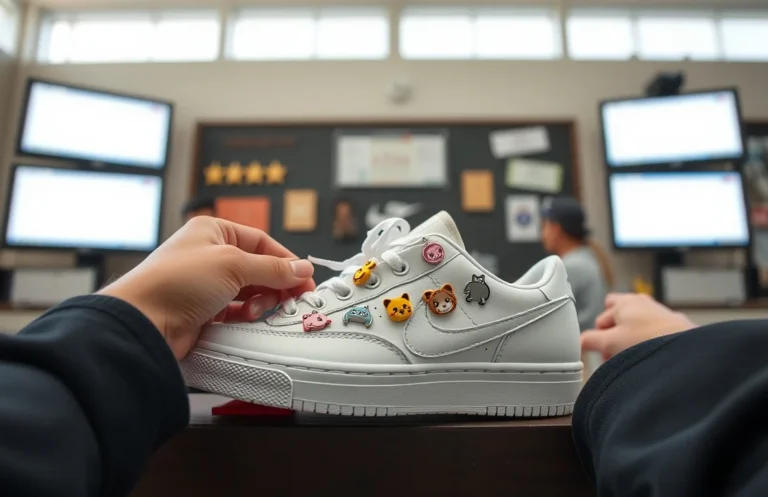
You can transform any pair of shoes in minutes by swapping in a small set of charms. Start with a clear goal: a cohesive vibe for daily wear, a special occasion look, or a seasonal update. With clean shoes and a basic toolkit, you’ll learn to pick charms, attach them securely, and mix colors and materials without clutter.
Shoe charms attach to laces, eyelets, or straps, allowing you to change the look without investing in new shoes. Attaching takes under a minute with standard laces, and a small set of 2-6 charms covers most outfits. Begin by selecting a style, then follow simple attachment steps.
Key Takeaways
- Choose the right charms. Select pieces that fit your style and aim for 2-6 charms per pair.
- Attach to laces properly. Thread charms onto laces with a simple knot; test for slip.
- Secure to eyelets when possible. Clip charms to eyelets or strap edges, not onto the sole seam.
- Pair colors and materials thoughtfully. Keep a cohesive palette and limit to three finishes per look.
- Maintain and store after wear. Wipe charms clean, dry fully, and store in a small pouch.
Choosing the Right Shoe Charms for Your Style
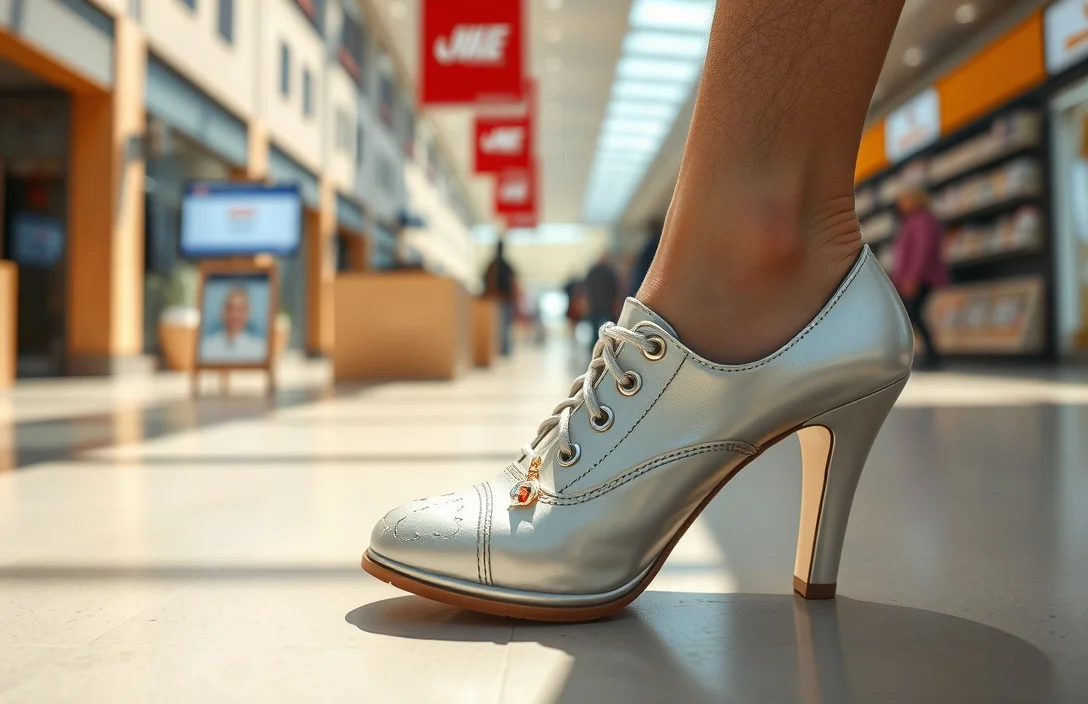
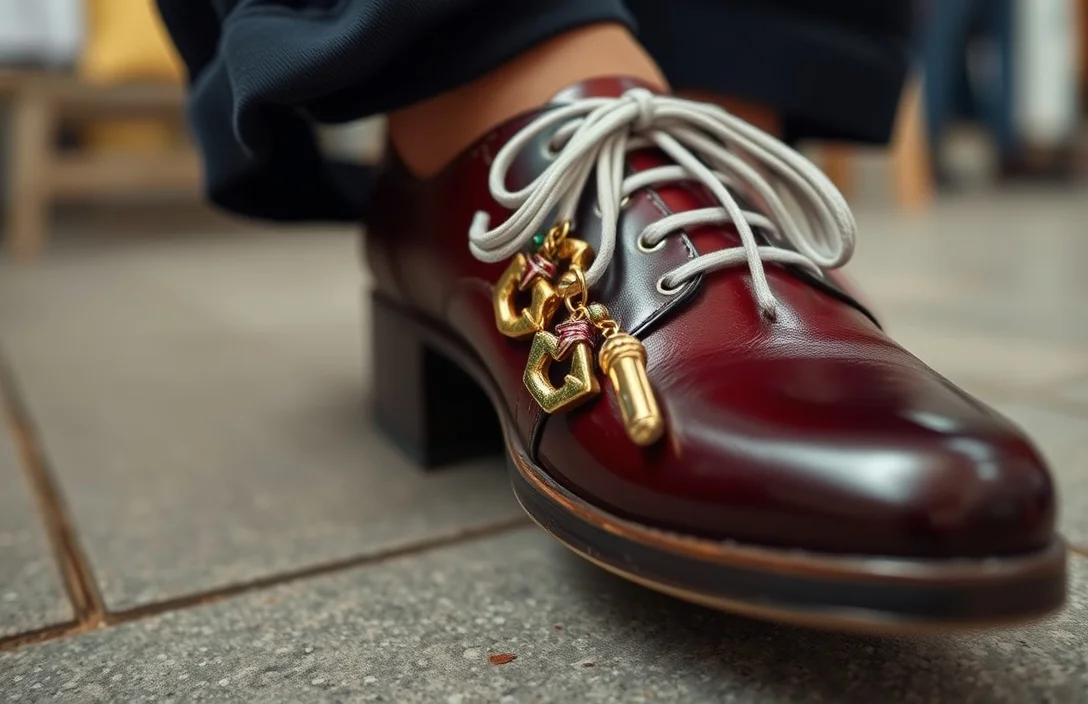
Your charm choice starts with the shoe and the look you want. Casual sneakers benefit from playful icons, geometric shapes, or bright enamel beads. Boots pair well with metallics, leather tags, or subtle resin pieces that don’t add bulk. For dress shoes, keep charms slim and unobtrusive, favoring minimal metal accents or small enamel pieces that won’t snag on socks or fabric.
Material choice matters as much as shape. Metal charms offer durability and a sturdy feel but require secure attachment to prevent rattling. Resin and enamel charms stay light and come in vivid colors, yet they can crack if clipped to rough edges. Fabric or leather charms blend with outdoor or rugged footwear but need gentle care to avoid fraying. Heavy charms can pull on laces and shift the shoe’s balance during a walk. If you’re new, start with 2-3 lightweight charms and test comfort for a week before expanding.
In practice, map your charm plan to actual uses. A weekend sneaker kit might include a sunshine-yellow bead, a small anchor, and a chrome stud. For work-day pairs, choose a single metallic charm and one neutral resin piece. If your shoes encounter water or mud, pick materials that resist moisture and staining.
How to Attach Charms to Laces?
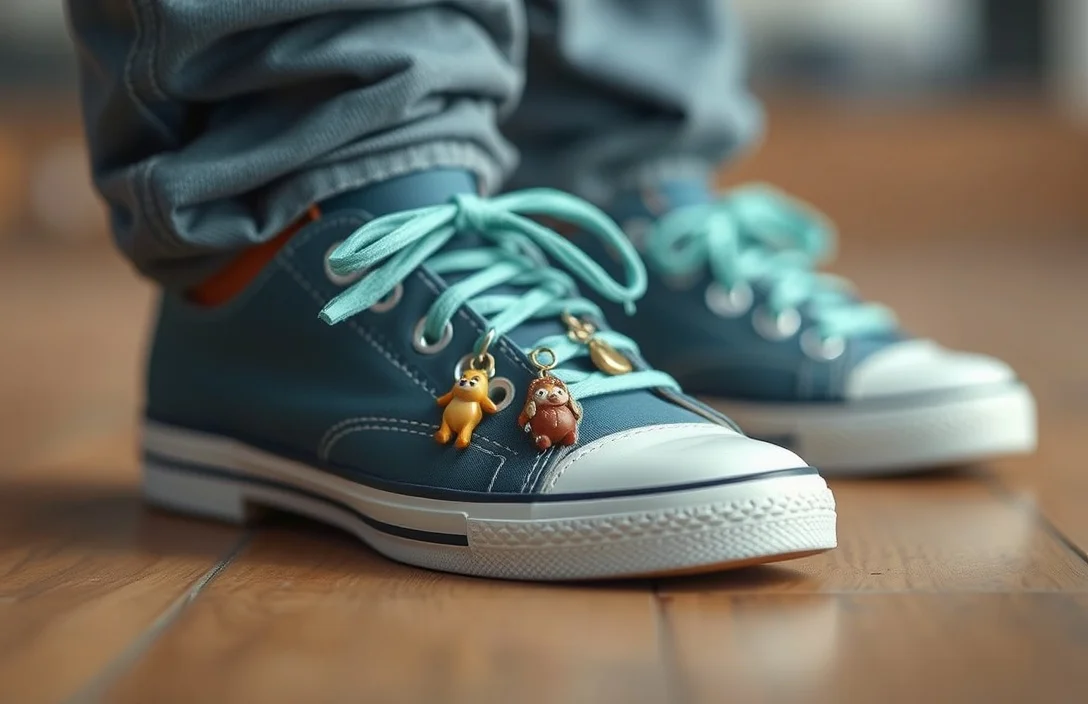
Prepare by choosing charms with holes or loops wide enough for your lace thickness. Thread charms toward the middle of the laces, positioning them where you want them to sit when tied. Secure each charm with a simple knot or a tiny stopper bead so it can’t slide toward the tip.
- Pick charms with compatible holes. Ensure the hole size accommodates your lace thickness and firmness.
- Thread onto the lace. Slide the charm to the desired position during wear.
- Tie a simple knot. A basic overhand knot works; pull snug but not tight enough to crease the lace.
- Add a stopper bead (optional). If the knot can loosen, a small bead at the end keeps the charm in place.
- Check spacing after tying. Adjust the knot or position for even charm placement on both shoes.
- Test movement. Wiggle the laces and walk a few steps to confirm the charm won’t pull loose.
If the charm slides, switch to a more secure knot or use a second knot to anchor the charm. For added security, loop the lace back through a charm’s hole and re-tie, but avoid binding the lace too tightly. Practice makes placement quick and consistent.
Attaching Charms to Eyelets and Straps
Eyelets and strap zones offer a cleaner, more secure home for charms than loose lace threads. Clip-on or looped charms designed for small hardware work best here. When attaching to eyelets, position the charm to avoid pressing on the fabric or extending into the footbed area. If using a strap, keep the charm away from the strap edge to prevent rubbing or cracking.
Common methods include clips that latch onto an eyelet edge, loops threaded through tiny grommets, or magnetic clasps designed for lightweight footwear. Each method should keep the charm from moving during use. If your shoe design has metal edges, test the clip to ensure it won’t scratch or snag socks. For strap-oriented looks, choose charms that sit flat and won’t twist under load.
Common methods worth trying
- Clip-on charms that grip the outer edge of an eyelet without penetrating the material.
- Small loops threaded through eyelet holes with a secure knot at the base.
- Magnetic clasps designed for light footwear accents, avoiding heavy metal on high-flex zones.
Pairing Charms with Colors and Materials
A cohesive look hinges on color and material harmony. Pair bright charms with neutral shoes for a pop, or match metallic tones with shoe hardware for a unified finish. Limit the palette to three finishes per outfit to avoid visual clutter. If mixing metals, keep one element as the unifying accent (like a single silver charm on a gold-accented shoe).
Consider texture compatibility as well. Glossy enamel pairs well with smooth leather and canvas, while matte metals work nicely with suede or nubuck. Resin charms bridge casual and playful looks when paired with denim or athletic sneakers. For formal outfits, choose slender metal tags or tiny engravings instead of oversized pieces that overpower the shoe.
| Charm Type | Best Pairing | Why it Works |
|---|---|---|
| Metal charm | Leather or nubuck | Reflects light without clashing with most browns and blacks |
| Enamel bead | Canvas or suede | Adds color without heavy weight |
| Resin character | Casual sneakers | Lightweight, playful, easy to swap |
| Leather tag | Dress shoes | Subtle, durable, timeless |
Arranging a Balanced Charm Set
Aim for a small, interchangeable set rather than a single oversized piece. A balanced set usually includes one attention grabber, one color-leaning piece, and one neutral anchor. Keep charms in the 0.5-1 gram to 2-5 gram range so the shoe’s natural balance isn’t upset. Rotate charms across different shoes to avoid overuse on a single pair.
For example, you might keep one standout charm (a silver anchor), one color-coordinating bead, and one neutral metal tag in your daily kit. When switching to a casual boot, swap in a rugged, dishwasher-safe resin piece. For weekend events, add a seasonal accent or a sparkling gemstone charm. The goal is easy customization with minimal effort.
Two practical patterns work well:
- The daily mod: 1 standout + 2 coordinating pieces.
- The event pack: 2 standout pieces + 1 neutral anchor for a sharper look.
Storage, Care, and Cleaning of Charms
Store charms in a dry place, ideally in a small pouch or segmented jewelry tin to prevent tangling and scratching. Clean frequently worn charms with a soft cloth, mild soap, and warm water; dry thoroughly before reattachment. If a charm shows tarnish, gently polish with a non-abrasive cloth and re-seal with a protective coating if the material allows.
Keep materials separate if you own multiple finishes to avoid rubbing or abrasion. Avoid prolonged exposure to moisture, heat, or chemicals that could degrade finishes. Inspect connectors and loops every few wears; replace any piece with a bent loop or a loose component. Proper care extends charm life and keeps your shoes looking sharp.
A practical care checklist:
- Wipe after wear with a damp cloth.
- Dry completely before storage.
- Inspect loops and knots for looseness.
- Store charms in a cool, dry place.
- Avoid exposing wooden or leather components to water.
Seasonal Themed Charm Ideas and Uses
Seasonal charm ideas keep your footwear fresh. For spring, lean toward botanical motifs, light pastels, and airy enamel colors. Summer calls for bright colors, nautical motifs, and lightweight resin shapes. Fall invites earthy tones, leaves, and pumpkin accents. Winter loves metallics, crystal-like beads, and night-sky hues. Mix and match across your shoe lineup to give each pair a distinct vibe.
Practical ideas by theme:
- Spring: tiny flower charms, soft green beads, and pale pink tags.
- Summer: sun shapes, turquoise beads, and white enamel accents.
- Fall: bronze leaves, amber tones, and matte black connectors.
- Winter: silver snowflakes, midnight blue resin, and clear crystal pieces.
Use cases range from daily wear to special occasions. For a kids’ sneaker, choose weatherproof resin charms with bright colors and rounded edges. For work outfits, opt for a subdued metal charm paired with a neutral leather tag. For party-ready looks, mix a bold enamel charm with a small rhinestone accent.
FAQ
How many charms should I use per shoe?
Two to four charms per shoe creates a balanced look without crowding laces or affecting comfort; you can expand to six if the design remains clean.
Will charms damage my laces or create tripping hazards?
Not when attached securely. Use lugs or knots that stay put, and avoid excessive weight that could pull on the lace.
Are shoe charms safe for kids?
Choose durable, rounded charms and avoid small parts that could detach. Supervise younger children and use screw-in or clip-on options that stay away from choking hazards.
How do I remove charms quickly if needed?
Untie the knot or unclasp the clip and slide the charm off the lace or eyelet. Keep a spare knot kit for quick reattachment.
What if I want to change them often without damage?
Use removable clips or loops and store extra charms in a pouch. Rotate pieces weekly to keep footwear fresh.

- Bee Charms For Shoes: Choose By Fit, Style, And Attachment - July 7, 2026
- Croc Shoe Charms Disney: Pick The Right Pack For Your Clogs - July 7, 2026
- Captain America Shoe Lace Charms: Pick The Right Style - July 7, 2026